The Stories They Tell About Us
I talk about the stories that shape the Tri-State area—West Virginia, Kentucky, and Ohio.
From quirky family superstitions and mysterious urban legends like the Mothman to the way outsiders view Appalachia through the lens of stereotypes and headlines, I explore how stories not only entertain us but also define our communities and identities.
I share some personal reflections on Huntington, which touch on how popular culture has influenced perceptions of the region and challenge us all to preserve and share the real stories that matter.
If you have a memory you would want me to talk more about, just send me an email at TSTM@mail.com. Or post a comment on the Tri-State Machine FB Group page.
Welcome to the Tri-State Time Machine.
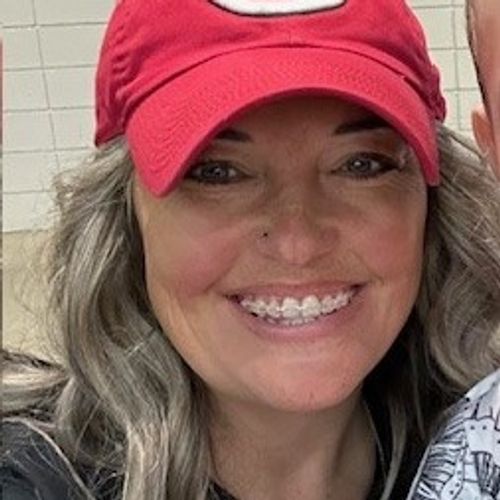
I'm your host Vanessa Hankins. This is a podcast where my guests and I share our memories and present day stories of the Tri-State Area. That's West Virginia, Kentucky, and Ohio.
Nothing too serious, no political views, and no ulterior motives.
We're just here to share our fun stories about this great area.
Whether you're a past resident or a current Tri-State resident, I think you're going to have fun with us.
So join in, press play on your podcast player, and welcome to the Tri-State Time Machine!
https://ts-time-machine.captivate.fm/episode/the-stories-they-tell-about-us
Copyright 2026 Vanessa Hankins
https://creativecommons.org/licenses/by-nd/4.0/
Transcript
This is the Tri State Time Machine. Each week, your host, Vanessa
Speaker:Hankins and her guests share memories and stories about the past,
Speaker:present, and the future of the Tri State area. That's West
Speaker:Virginia, Kentucky, and the Ohio areas. If you used to live
Speaker:here or you currently live here, you're going to catch yourself saying out
Speaker:loud, wow, I remember that. Now
Speaker:here's Vanessa.
Speaker:Hey, everybody. Welcome back to the Tri State Time Machine.
Speaker:This week's gonna be a little different because it's just me.
Speaker:And honestly, sometimes I think these end up becoming some of my favorite episodes
Speaker:because I get to sit down, let my brain wander a little,
Speaker:and talk about things that have genuinely just been sitting with me for a while.
Speaker:And this topic, I've been thinking about
Speaker:it more than I probably realized. Kind of one of those living rent
Speaker:free in the back of your mind. I started thinking recently about stories.
Speaker:Not books, necessarily, not movies, just
Speaker:stories. The stories our families passed down, the
Speaker:weird things your grandparents told you growing up
Speaker:that somehow became absolutely law in your household.
Speaker:And I hope you're thinking of a few off the top of your head, because
Speaker:even just saying that out loud, they start popping into my head.
Speaker:The strange little superstitions older generations believed so deeply
Speaker:that you eventually started believing them, too, even though
Speaker:nobody could ever explain why.
Speaker:I mean, why? Why don't we
Speaker:have answers? Anyways, I started realizing
Speaker:something. If you grew up in Appalachia, especially
Speaker:if you grew up here in the Tri State, our communities are built on
Speaker:stories. Ghost stories, family
Speaker:stories, urban legends, local
Speaker:folklore. Weird superstitions that nobody
Speaker:questions. Creepy stories older cousins told us
Speaker:simply because apparently terrifying our younger family members was considered
Speaker:quality Entertainment in the 90s. And
Speaker:if your childhood looked anything like mine,
Speaker:there were always. Or there was
Speaker:always, you know, that one place. Every town had
Speaker:one. The road everybody swore was haunted.
Speaker:The abandoned building nobody wanted to drive past at night.
Speaker:The old house somebody claimed had a woman standing in the upstairs window.
Speaker:The cemetery everyone dared each other to visit.
Speaker:But while I was thinking of all this, I
Speaker:started realizing that stories do something much bigger than entertain us.
Speaker:Stories shape places. Stories shape identity.
Speaker:Stories shape how communities remember themselves.
Speaker:But stories also shape how other people see us.
Speaker:And I think Appalachia has spent a very long time having
Speaker:stories told about us by people who do not actually
Speaker:know us. And sometimes
Speaker:those stories become the only thing outsiders think that they know
Speaker:about places like West Virginia or communities like Huntington.
Speaker:So today I kind of want to talk about both sides of that.
Speaker:The weird stories we grew up hearing, but also the bigger stories, the
Speaker:World has told about communities like ours, which
Speaker:I know sounds a little deeper than my usual random historical
Speaker:rabbit holes, but just stay with me
Speaker:because I think this one is going somewhere interesting. Or I
Speaker:hope so. So let's start
Speaker:with the weird stuff first. The Mothman.
Speaker:Alright, I feel like if you're from West Virginia, there is
Speaker:absolutely no better place to begin than the fact that somehow
Speaker:one of the most famous things our state has ever produced
Speaker:is a giant flying creature with glowing red eyes.
Speaker:Which honestly feels aggressively on brand for us.
Speaker:For anybody listening who somehow has never heard the story of Mothman,
Speaker:let me catch you up. Okay, the story starts
Speaker:in November 1966 in
Speaker:Point Pleasant. And first of all, if
Speaker:you have never been to Point Pleasant, highly recommend it,
Speaker:because I genuinely respect any town willing to fully embrace
Speaker:weirdness. But back in 1966,
Speaker:two young couples were driving around near what the locals had called the
Speaker:TNT area, which was an old war to
Speaker:Mushin site. I hope I'm saying that right. Basically
Speaker:abandoned after the war. So already creepy
Speaker:already. Not somewhere I personally want to be hanging out after dark.
Speaker:But according to the reports, while driving through the area,
Speaker:they spotted something standing near the road. And what they
Speaker:described was a massive gray creature somewhere around
Speaker:six or seven feet tall, huge wings that
Speaker:folded behind its back and glowing
Speaker:bright red eyes. That part's important, which.
Speaker:No, absolutely not immediate, no.
Speaker:According to the story, they got in the car and sped off.
Speaker:But then the creature started following them,
Speaker:flying overhead, keeping pace with the
Speaker:vehicle, which I would personally describe
Speaker:as the end of my life. But
Speaker:here's where things become stranger. Over the next several months,
Speaker:dozens of people in Point Pleasant begin reporting seeing the
Speaker:exact same creature, same description.
Speaker:Giant wings, tall figure,
Speaker:bright glowing red eyes. Multiple sightings.
Speaker:And naturally, once people start reporting the
Speaker:same thing, rumors tend to spread.
Speaker:But here is where the story became part of history.
Speaker:About 13 months later, December of
Speaker:1967, the Silver Bridge connecting Point Pleasant
Speaker:to Ohio collapsed. 40 people were killed.
Speaker:One of the worst bridge disasters in American history.
Speaker:And suddenly people started connecting the sightings.
Speaker:People began believing that Mothman had somehow been a warning.
Speaker:Like people would witness something supernatural before the tragedy struck.
Speaker:Now, personally, I have absolutely no
Speaker:idea what these people saw. Maybe mass
Speaker:hysteria. Maybe somebody saw a giant
Speaker:bird and suddenly everybody started seeing giant birds. Maybe
Speaker:something genuinely strange did happen. Who
Speaker:knows? But I think what fascinates
Speaker:me is what this says about Appalachia. We have
Speaker:always been communities that tell stories to explain things that we
Speaker:cannot explain. And sometimes those stories survive for
Speaker:generations. Also,
Speaker:somewhere in Another state, there's probably a person who hears West Virginia and
Speaker:immediately thinks of a flying demon creature, which
Speaker:feels unfair, but honestly, kind
Speaker:of hilarious. I own it. I love it.
Speaker:So, Appalachian superstitions. Let's go into that a little bit.
Speaker:Honestly, as weird as Mothman is, I think one of the
Speaker:strangest parts about growing up around here.
Speaker:Was probably realizing later in life
Speaker:just how many completely random things adults had convinced us
Speaker:that were factual. And I swear every
Speaker:grandmother in Appalachia somehow held four advanced degrees.
Speaker:Medicine, weather forecasting,
Speaker:spiritual protection, and death prediction.
Speaker:Heavy on that last one, but think about how many of these
Speaker:you heard growing up. Bird
Speaker:hits the window, somebody's gonna die.
Speaker:Why? Nobody knows. But suddenly, everybody in the
Speaker:house feels uncomfortable. Do not
Speaker:sweep over somebody's feet. Because now,
Speaker:apparently, they will never get married. Which,
Speaker:honestly, feels a little unnecessarily harsh.
Speaker:Open an umbrella indoors. Bad luck.
Speaker:Spill salt, better throw it over your shoulder.
Speaker:Ears ringing, somebody's talking about you.
Speaker:Palm itching, money's coming.
Speaker:And although I still have no idea which hand meant good
Speaker:money, I have heard 70 different versions of that
Speaker:one. And then the one
Speaker:that absolutely terrified me as a child. If somebody dies
Speaker:in the house, cover the mirrors,
Speaker:which, as a kid, nobody
Speaker:explains. They just quietly cover every mirror in
Speaker:the house. And now suddenly, you're eight years old wondering
Speaker:if spirits are trapped in the bathroom. But what
Speaker:makes Appalachian culture fascinating is where these
Speaker:beliefs actually come from. A
Speaker:lot of these traditions came from Irish settlers, so Scottish traditions,
Speaker:religious beliefs, generational customs passed down over
Speaker:a hundred years, which means, without
Speaker:realizing it, we inherited pieces of history
Speaker:through stories, which also means
Speaker:half of us were raised somewhere between actual science
Speaker:and complete supernatural chaos.
Speaker:So haunted places. And I know this next part's universal.
Speaker:Every town, every country, every community,
Speaker:everybody had that place. And what fascinates me now
Speaker:as an adult is realizing that nobody ever knew the entire
Speaker:story. But somehow everyone agreed that it
Speaker:was terrifying. Growing up,
Speaker:every area had some abandoned place attached to rumors. Maybe an
Speaker:old school, maybe an abandoned hospital, maybe some
Speaker:creepy old house on a back road, maybe an old industrial
Speaker:building that everybody swore was haunted.
Speaker:And every older kid knew somebody who knew somebody
Speaker:whose cousin had definitely seen something there.
Speaker:But that's how these stories always worked. You know, it. It was
Speaker:never firsthand. It was always, my friend's
Speaker:brother saw it. My cousin heard something there.
Speaker:Somebody saw lights in the windows. A woman in white
Speaker:appears after midnight. We all know those stories.
Speaker:And honestly, I really love that,
Speaker:because long before the Internet, communities
Speaker:entertained themselves by passing stories down and around
Speaker:local folklore existed long before social media, before
Speaker:podcasts, before documentaries.
Speaker:Communities preserve stories simply
Speaker:by talking to each other.
Speaker:And that feels kind of beautiful when you think about it.
Speaker:But while some stories stay local, some stories grow much bigger than
Speaker:that. Because while ghost stories are harmless, there
Speaker:are other stories. People have been telling about Appalachia for a very long time.
Speaker:Stories about poverty, stories about intelligence,
Speaker:stories about addiction, stories about education,
Speaker:stories about culture.
Speaker:And I think somewhere along the way,
Speaker:people stop seeing Appalachia as a collection of deeply
Speaker:complex communities and started reducing it to stereotypes.
Speaker:And I want to talk about that next. So
Speaker:before my little pause, I spent a lot of time talking about the
Speaker:stories we grew up hearing here. Ghost stories,
Speaker:family traditions, weird superstitions that nobody
Speaker:questions, the folklore passed down from generation to
Speaker:generation. And honestly, I think
Speaker:there's something beautiful about communities preserving stories like that.
Speaker:But while I was putting together this episode, I kept finding myself coming back
Speaker:to a bigger thought, because stories do not just
Speaker:shape how communities see themselves. Stories shape
Speaker:how other people see communities as well.
Speaker:And I think if you're from Appalachia, whether that's West Virginia, eastern
Speaker:Kentucky, southern Ohio, Tennessee,
Speaker:Virginia, anywhere in this region,
Speaker:you know exactly what I mean when I say
Speaker:people think that they know us, even when they
Speaker:have never stepped foot here,
Speaker:even when they've never lived here, even when everything
Speaker:they think they know came from television,
Speaker:movies, political conversations,
Speaker:documentaries, or headlines.
Speaker:And I started asking myself something while researching all of this.
Speaker:When exactly did Appalachia become a stereotype?
Speaker:Because somewhere along the way, this entire region
Speaker:got turned into a character.
Speaker:Hardship is real in Appalachia, but
Speaker:it became the only story. So before I go any further, I want
Speaker:to say something very clearly.
Speaker:Appalachia has struggled. Economic
Speaker:decline, coal industry collapse, generational poverty in some
Speaker:communities, Limited job opportunities, addiction,
Speaker:underfunded education systems, lack of investment.
Speaker:Those things are real. And I'm not pretending
Speaker:that these things do not exist, because they do. But I
Speaker:think the problem starts when hardship becomes the only story that
Speaker:people tell about a place.
Speaker:Because eventually, people stop seeing human beings.
Speaker:They stop seeing families, they stop seeing culture,
Speaker:they stop seeing history, they stop seeing
Speaker:complexity. And instead,
Speaker:they begin seeing characters.
Speaker:So let's talk about the stereotypes that we all know. And if you grew
Speaker:up anywhere around here, I think we all know the stereotypes.
Speaker:Tell somebody out west, you're from West Virginia, and suddenly the
Speaker:jokes start missing. Teeth jokes, incest
Speaker:jokes, education jokes, poverty jokes, the
Speaker:barefoot hillbilly stereotype.
Speaker:And I think what is strange to me
Speaker:is that people say these Things so casually, like, somehow
Speaker:entire communities are becoming the punchline,
Speaker:and it's completely normal. But stereotypes do not
Speaker:appear out of nowhere somewhere.
Speaker:Those ideas had to be built into American culture.
Speaker:I think, in my opinion, that Hollywood helped build
Speaker:this narrative. And one thing I found fascinating while
Speaker:researching was realizing just how
Speaker:much film and television shaped public perception of Appalachia.
Speaker:One of the biggest examples of that is the 1972 film
Speaker:Deliverance. If you know, you know, cue the
Speaker:banjos. Now, if
Speaker:somehow you've never seen Deliverance, first of all,
Speaker:congratulations, because I genuinely wish I could
Speaker:say the same, because that movie is
Speaker:deeply unsettling. But the basic story
Speaker:follows four men from Atlanta
Speaker:who go on this canoe trip in rural Georgia.
Speaker:And during the trip, they encounter an isolated,
Speaker:like, mountain men type situation who are portrayed as
Speaker:violent, dangerous, uneducated, brutal,
Speaker:primitive. And while technically the story
Speaker:takes place in Georgia, the cultural impact spread
Speaker:everywhere because suddenly
Speaker:mountain people became a horror trope.
Speaker:And I do not think people fully understand how deeply that
Speaker:film shaped public perception. Entire
Speaker:generations of Americans grew up seeing depictions of Appalachian
Speaker:communities as backwards, dangerous,
Speaker:isolated, uncivilized.
Speaker:And movies have power. Once people see the same narrative enough time,
Speaker:they start assuming the narrative reflects reality.
Speaker:Imagine living in a region where millions of
Speaker:people who have never met you have already decided
Speaker:what kind of person you are because of a movie.
Speaker:So a little personal reflection. And I think what bothers
Speaker:me about that, the whole thing of all these
Speaker:people that have never met us have already decided who we are,
Speaker:is that people forget that this region or what this
Speaker:region actually helped build Appalachia is not some
Speaker:isolated footnote in American history. These communities were built
Speaker:by miners, railroad workers, factory workers,
Speaker:farmers, teachers, generations of people doing
Speaker:fish, physically brutal work, just trying to build stable
Speaker:lives for their families. But
Speaker:somehow all of that gets erased,
Speaker:and instead people hear
Speaker:Appalachia and immediately picture
Speaker:barefoot hillbillies sitting on porches playing banjos,
Speaker:which, first of all, I would like to publicly defend
Speaker:banjos because. Because banjos are fantastic. Seriously,
Speaker:like, if you don't love a banjo,
Speaker:whatever, have your opinion, but they're great.
Speaker:But seriously, imagine
Speaker:your entire region just becoming a punchline.
Speaker:So I've tried to wrap my head around why
Speaker:the world loves Appalachian struggle.
Speaker:And another thing that I kept noticing while researching all this
Speaker:is how often the rest of the country seems interested in Appalachia
Speaker:only when suffering is involved, though. And honestly,
Speaker:I find that incredibly frustrating because it feels like
Speaker:outsiders become interested in places like ours only when tragedy
Speaker:is attached. Think about
Speaker:documentaries, think about
Speaker:national media. Coverage, Think
Speaker:about political conversations. How
Speaker:often do you see stories celebrating Appalachian innovation,
Speaker:Appalachian art, Appalachian architecture,
Speaker:Appalachian music, Appalachian resilience,
Speaker:Appalachian creativity, Appalachian culture?
Speaker:Honestly, not very often. But the second
Speaker:that there is poverty, addiction, unemployment,
Speaker:disaster, suddenly cameras show up.
Speaker:Another interesting example of this conversation is about
Speaker:hillbilly elegy. And listen, I know people have very
Speaker:mixed opinions about this book, and I'm not really here to
Speaker:debate whether people love it or hate it.
Speaker:But I do think the bigger conversation surrounding it matters, because for
Speaker:many outsiders, books like that become confirmation.
Speaker:They read one story and suddenly believe that they understand an entire
Speaker:region. And I think that that's dangerous, because
Speaker:no place should ever be reduced to one narrative. No community is one
Speaker:thing. No city is one thing. No region is one
Speaker:thing.
Speaker:So reflect on that. And I think maybe
Speaker:that is what bothers me the most. Not that people
Speaker:acknowledge hardship. Hardships absolutely deserve discussion.
Speaker:Poverty should be discussed. Addiction should be discussed. Economic
Speaker:struggle should be discussed. But struggle
Speaker:cannot become the entire identity for people
Speaker:to assign to a place,
Speaker:because when that happens, people stop seeing humanity,
Speaker:and they stop believing communities are capable of becoming anything different.
Speaker:And honestly, I do not think that I have had
Speaker:that happen anywhere more personally than right here in
Speaker:Huntington.
Speaker:So throughout this episode, I've spent a lot of time talking about
Speaker:stories, stories families tell, the folklore that communities
Speaker:preserve, the stereotypes attached to Appalachia,
Speaker:the way entire regions slowly become a character over time.
Speaker:But I think if I'm going to talk about this honestly, I have to bring
Speaker:this conversation closer to home, because I do not think that there is a city
Speaker:in our immediate area that understands this conversation better than
Speaker:Huntington. And I think sometimes
Speaker:when you live somewhere your entire life, you forget that
Speaker:people outside of your city often see a completely different
Speaker:version of the place than you do. And I think Huntington may
Speaker:be one of the clearest examples of that.
Speaker:I think when most people listening know exactly what I mean when I say
Speaker:there was a period where it felt like every single time Huntington
Speaker:made national news, it was bad.
Speaker:And I think one of the biggest shifts happened
Speaker:right when the opioid epidemic became impossible to ignore.
Speaker:Because suddenly, Huntington, it
Speaker:became one of the places that national media repeatedly returned to
Speaker:when they wanted to talk about addiction in America. And I
Speaker:want to say this very clearly. Addiction,
Speaker:it's real. Families here have suffered
Speaker:tremendously, my family included.
Speaker:Lives have been lost. Entire generations have
Speaker:been affected. I know families
Speaker:personally who have experienced that pain. I know my family has
Speaker:personally experienced it. Most people listening right now probably
Speaker:know somebody, too. And I'm not minimizing that.
Speaker:I'm not pretending that it didn't happen. I'm not pretending that
Speaker:communities here did not suffer. But I
Speaker:remember watching national coverage over the years and thinking something
Speaker:over and over again. This
Speaker:is not the whole story.
Speaker:So because every documentary,
Speaker:every national news segment, every major headline
Speaker:seemed to focus on one thing, the worst thing happening
Speaker:here. And I understand why. Addiction's serious.
Speaker:Communities needed help. Resources needed attention.
Speaker:Conversations needed to happen.
Speaker:I am not arguing against any of that. But
Speaker:imagine living in a place where every single time outsiders hear your
Speaker:city mentioned, it's connected to tragedy.
Speaker:Imagine watching people around the country build their entire perception of your
Speaker:hometown based entirely on pain.
Speaker:Imagine realizing people have already decided that your community is broken
Speaker:before they know anything else about it.
Speaker:Here's some things that people outside of Huntington never
Speaker:see. And I think this part
Speaker:is another bit that frustrates me the
Speaker:most. Because if all of you know about Huntington comes
Speaker:from headlines, then you don't know Huntington at
Speaker:all. What people outside this community do not see
Speaker:is connection. They do not see how deeply people here
Speaker:care about one another. They do not see the neighbors stepping in when
Speaker:families struggle. They. They do not see the local organizations doing
Speaker:impossible work with limited resources. They do
Speaker:not see community members constantly trying to make this place better.
Speaker:They do not see how unbelievably hard people here fight
Speaker:for one another. I think
Speaker:about places like the Keith Albee Performing Arts center,
Speaker:and I think that building alone tells a completely different story about
Speaker:Huntington than national media could ever. Here you have
Speaker:this absolutely beautiful historic theater sitting in the middle of
Speaker:downtown right here on 4th Avenue. I'm literally recording
Speaker:in my office inside the Keith Albee right now.
Speaker:Built in 1928, one of the last fully intact
Speaker:atmospheric theaters still standing in America.
Speaker:A building representing history, art,
Speaker:preservation, architecture, community investment.
Speaker:And I think about how easy it would have been for somebody outside the city
Speaker:to never know places like this even exist here,
Speaker:because nobody is putting that on national television.
Speaker:I think a lot about Marshall University, too. And
Speaker:no, I do not just mean football. Although,
Speaker:let's be honest, football is basically a religion around here.
Speaker:But Marshall represents something bigger. Education,
Speaker:innovation, young people building futures, medical
Speaker:advancement, economic development, community identity.
Speaker:But somehow those stories never feel loud enough compared to
Speaker:the headlines. And as locals, we know what
Speaker:headlines that are that keep the people coming back. It's
Speaker:not the good stuff. And maybe this is what
Speaker:I appreciate most about communities like Huntington. We are resilient
Speaker:in ways that people from outside places
Speaker:like this often do not understand. Because
Speaker:Smaller communities have no choice but to rely on each other.
Speaker:I think people here know how to survive hard seasons. We know how to
Speaker:rebuild. We know how to adapt. We know how to take care
Speaker:of each other.
Speaker:I think communities that. That have experienced struggles
Speaker:often develop a kind of empathy
Speaker:that you really do not find anywhere else.
Speaker:Because when communities hurts together, people learn
Speaker:how to carry one another. But I want to be careful here
Speaker:because I do not want this episode to sound like I'm pretending that Huntington
Speaker:does not have problems. We do. Poverty exists
Speaker:here. Addiction exists here. Crime exists here.
Speaker:Economic struggle exists here. There are families hurting every
Speaker:single day. There are neighborhoods still fighting to recover.
Speaker:Hell, if you've been paying attention to headlines, we have communities surrounding us
Speaker:that don't even have drinkable water. I
Speaker:know that everybody listening knows that. But
Speaker:I think where I struggle is watching outsiders behave as their
Speaker:struggle is all that we are. Because community
Speaker:should never be defined solely on the hardest thing that they've gone through.
Speaker:I think that every place has a difficult chapter
Speaker:or difficult chapters. It may not even just one.
Speaker:Every city, every community, every family even.
Speaker:But imagine if somebody met you and decided your entire identity
Speaker:once felt completely different. Stories preserve
Speaker:memory. And without stories,
Speaker:places disappear long before the buildings do.
Speaker:And honestly, I think this is why I
Speaker:have always cared so deeply about local
Speaker:history, this history. It's not just
Speaker:presidents, it's not just wars. It's not just
Speaker:dates written inside textbooks.
Speaker:History is communities. History is
Speaker:families. History is neighborhoods.
Speaker:History is traditions. History
Speaker:is ordinary people quietly building lives.
Speaker:History is local restaurants people will still miss 20 years later.
Speaker:History is movie theaters that shaped our childhood memories.
Speaker:History is family businesses. History is as
Speaker:grandparents telling stories for younger generations.
Speaker:That way they're not forgotten, and they
Speaker:love when you ask about them. And I think sometimes people
Speaker:forget. Preserving history
Speaker:is really just preserving identity.
Speaker:I think that kind of wraps us around the circle of why
Speaker:this podcast exists.
Speaker:I think writing this episode helped me understand something I had maybe
Speaker:never fully put into words before and maybe hadn't
Speaker:really formed full thoughts on it. Maybe
Speaker:this is why WG started the Tri State Time Machine in the first place.
Speaker:And I agree, because communities deserve to
Speaker:remember themselves. I think places deserve to
Speaker:be remembered for more than struggle. I think local
Speaker:stories matter. I think preserving history matters.
Speaker:I think communities like ours deserve to be seen as complicated,
Speaker:beautiful, flawed, resilient,
Speaker:evolving places, not stereotypes.
Speaker:So let's talk about the human comparison a little bit. You know,
Speaker:I kept thinking about something while writing all of this. Every single person
Speaker:listening right now has probably Lived through a hard season.
Speaker:Maybe grief, maybe addiction touched your family.
Speaker:Maybe it touched your life. Maybe a financial struggle,
Speaker:a divorce, maybe trauma,
Speaker:maybe failure, loss.
Speaker:Now imagine someone meeting you and deciding that that
Speaker:that's all you were. Imagine the hardest chapter
Speaker:of your life becoming your identity forever. You
Speaker:would hate that. That would create its own trauma.
Speaker:You would want people to understand that there is more to you than your hardest
Speaker:season. So why would communities be any different?
Speaker:So I'm going to try to wrap this up the best that I can.
Speaker:Appalachia. It's not perfect, honey
Speaker:Thin. It's not perfect. No community is.
Speaker:But I think one of the most unfair things we can do is reduce people,
Speaker:families, communities,
Speaker:entire regions down to stereotypes and
Speaker:headlines. Because
Speaker:the truth is, some of the strongest people I've
Speaker:ever known come from the places exactly like this.
Speaker:Some of the hardest working people I know came from communities
Speaker:exactly like this. Some of the most
Speaker:compassionate, creative, resourceful,
Speaker:resilient people I know were shaped by places
Speaker:exactly like this.
Speaker:And maybe that's the whole point. Places are complicated.
Speaker:Communities are complicated. People are complicated.
Speaker:And no place deserves to be remembered only for its hardest chapter.
Speaker:So maybe next time somebody tries to tell a story about Appalachia or
Speaker:Huntington or communities like ours,
Speaker:maybe we make sure we are telling our own story first.
Speaker:And maybe that's exactly why local history matters more than people
Speaker:realize. It's why this podcast matters.
Speaker:Thank you for hanging out with me on this one. I know the episode was
Speaker:a little different and maybe a little heavier than normal,
Speaker:but honestly, I keep saying
Speaker:that, but I want people to really know. I
Speaker:believe this in my heart. I think this may be one of my
Speaker:favorite conversations I've ever had here. I would
Speaker:genuinely love to hear what you think, what stories shaped where
Speaker:you're from, and what do you wish more people understood
Speaker:about communities like ours?
Speaker:I love you guys. I love that you keep
Speaker:joining me. This has been the
Speaker:Tri State Shine Machine with Vanessa. We're out of here.
Speaker:Thanks for listening to the Tri State Time Machine. If you have a
Speaker:memory you want Vanessa to talk more about, just send her an
Speaker:email@tstmail.com
Speaker:or post a comment on the Tri State Time Machine Facebook page. Did you
Speaker:like the episode? Be sure to share it with friends and family. It's the only
Speaker:way we can continue this fun work that we do. You can find a link
Speaker:in the show notes that you can use to share it.