Supporting Autistic Adults and Shaping a Better Workforce
This is a conversation full of insight, encouragement, and a reminder that inclusion benefits us all.
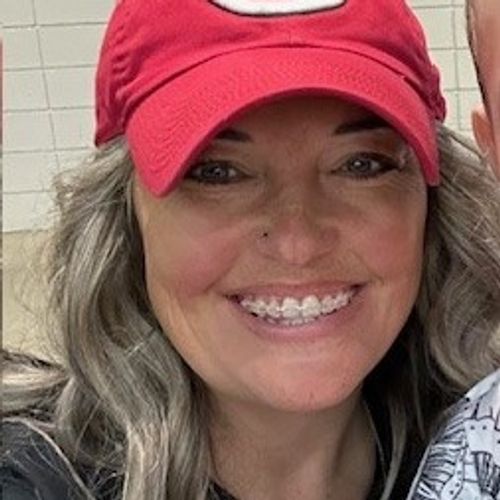
On this episode of Tri State Time Machine, I’m thrilled to sit down with Dr. Rebecca Hansen, the founder of Reaching Spectrum Heights and a devoted advocate for autistic adults who are transitioning from college to the real world. Rebecca has spent nearly twenty years in Huntington, West Virginia, dedicating herself to making our community a better, more inclusive place for neurodivergent graduates and employees.
In our conversation, Rebecca opens up about her own journey—what originally brought her to the Tri State area, the twists and turns of her career path, and the inspiration behind starting her woman-led small business. Together, we dive into the real challenges that autistic adults and their families face, from the support gaps after high school and college graduation to the common workplace misunderstandings about neurodiversity.
Throughout the episode, Rebecca shares heartfelt stories of mentorship, meaningful friendships, and the realities of building a small business with big impact. You'll also hear thoughtful advice for employers and families, as well as a look at how we can each help foster a community where everyone has the opportunity to thrive.
Moments
00:00 "Supporting Neurodivergent Transitions"
07:40 "Flexible Coworking Space Options"
15:12 Bridging Education, Employment, and Inclusion
16:18 "Challenging Beliefs Through Experience"
26:26 "Generational Shifts in Acceptance"
30:16 Evolving Autism Diagnoses
33:04 "Flexibility is Everything"
40:50 "Turning Dreams into Reality"
48:05 "Reflections on Struggles and Growth"
52:51 "Advancing Accessibility in Higher Education"
55:17 "Rethinking Interview Processes for Inclusion"
01:03:25 "Living Nostalgia"
01:06:21 The Beauty of Autism Friendships
01:10:43 "Celebrating Neurodiversity Through Community"
If you have a memory you would want me to talk more about, just send me an email at TSTM@mail.com. Or post a comment on the Tri-State Machine FB Group page.
Welcome to the Tri-State Time Machine.
I'm your host Vanessa Hankins. This is a podcast where my guests and I share our memories and present day stories of the Tri-State Area. That's West Virginia, Kentucky, and Ohio.
Nothing too serious, no political views, and no ulterior motives.
We're just here to share our fun stories about this great area.
Whether you're a past resident or a current Tri-State resident, I think you're going to have fun with us.
So join in, press play on your podcast player, and welcome to the Tri-State Time Machine!
https://ts-time-machine.captivate.fm/episode/supporting-autistic-adults-and-shaping-a-better-workforce
Copyright 2026 Vanessa Hankins
https://creativecommons.org/licenses/by-nd/4.0/
Transcript
Hey, Tri State. It's Vanessa. And this is the Tri State Time Machine. Today we're joined by Dr. Rebecca Hansen, a professional who has spent nearly two decades supporting autistic adults as they transition from college into the real world. She's the founder of Reaching Spectrum Heights right here in Huntington, and she's passionate about helping our community become better, more inclusive place for neurodivergent employees, graduates and their families. She's also a woman led small business owner making a huge impact in very underserved area. Rebecca, thank you for being here.
Rebecca Hansen [:Thank you so much, Vanessa. I'm glad to be here.
Vanessa Hankins [:Absolutely. We've been trying to do this for a little bit and we've never been able to kind of get our schedule together. So I'm excited to have you here. We'll jump right in since we're busy. Ladies, you've been in Huntington for 25 years, is that correct? So what originally brought you here and what made you decide to call it home?
Rebecca Hansen [:Sure. It was an unanticipated change. I actually went to college at University of Charlotte for a semester because I was that small hometown girl that couldn't wait to get out of West Virginia.
Vanessa Hankins [:I get that.
Rebecca Hansen [:I quickly turned around and found Marshall as a home in the spring of 2000. And so I studied biology for a long time, thinking I was going to med school.
Vanessa Hankins [:Oh, wow. What a difference. Yeah.
Rebecca Hansen [:Career. Complete career change.
Vanessa Hankins [:Absolutely.
Rebecca Hansen [:However, the MCAT and flunking it about four times really was eye opener to plan A. Not working. After a couple days in bed, I realized maybe I should go to grad school.
Vanessa Hankins [:I love that.
Rebecca Hansen [:That's when I met a guy named Lowell Austin. And he was the first person I ever knew who had autism. I didn't even know it existed.
Vanessa Hankins [:Okay.
Rebecca Hansen [:And this is actually in 2004. So I was a graduate assistant for a college program at Marshall University. The West Virginia Autism Training center was piloting a program for high school students that were trans transitioning to college that had autism.
Vanessa Hankins [:Okay.
Rebecca Hansen [:And so my role was really to shadow him and learn more about his life and how autism affected his college experience. How cool. So I've always believed that education can go so far, but experience really teaches you. I agree with that more.
Vanessa Hankins [:I agree 100%. 100%. So basically, I mean, you, you landed in this profession just by following your heart. Yeah, I love that. I love that. So what, how long did you follow him?
Rebecca Hansen [:Was it the. Primarily the first year.
Vanessa Hankins [:The first year. So you spent a lot of time.
Rebecca Hansen [:Yes.
Vanessa Hankins [:Okay.
Rebecca Hansen [:Yes. And so grad students usually only have two years of time to serve in a GA position. And so I was really trying to soak up everything I could.
Vanessa Hankins [:Yeah.
Rebecca Hansen [:In terms of understanding his college experience, from homesickness of being out of state, to family changes going on to living somewhere completely different than his hometown. And so my role was definitely not what I expected it to be.
Vanessa Hankins [:Yeah, absolutely.
Rebecca Hansen [:And it was more of a mentorship. And even 25 years later, here we are. Well, 20, I guess it's been 20 years that I've met Lowell. We're still in each other's lives.
Vanessa Hankins [:I was getting ready to ask. That was gonna be a follow up question is if you still talk and if you're still friends. Yes. I love that. I love that so much. So at what point did the Small Business Development center and Doug Harper specifically influence your path towards consulting?
Rebecca Hansen [:Oh, great question. I didn't even know that this Small Business Development center existed. That really was a vision of our president, Brad Smith, his wife Elise, to help people navigate what small business development might look like. And so a friend of mine through the Junior League of Huntington, actually, Sarah Bostic.
Vanessa Hankins [:Sarah's wonderful. Shout out to Sarah.
Rebecca Hansen [:Hello, Sarah, we love. You mentioned Doug. And so I'm like, okay, I'll just bring my resume and see what he has to say.
Vanessa Hankins [:Yeah.
Rebecca Hansen [:And he's this like tall, larger than life kind of guy that's run several different businesses.
Vanessa Hankins [:No pressure.
Rebecca Hansen [:No pressure for me to show up and be like, hi, here's what I can do.
Vanessa Hankins [:Here's my idea.
Rebecca Hansen [:That was a beautiful meeting because he really inspired me to go for it.
Vanessa Hankins [:Oh, awesome.
Rebecca Hansen [:He said, you've got great experience that you can translate into consulting work. And so at the time, you know, we still kept in touch with a alumni people that we've worked with years and years ago. And so I just started cold calling people saying, where are you at now in your life? Do you need support in helping find a job or find a relationship or learn how to drive?
Vanessa Hankins [:Yeah.
Rebecca Hansen [:All those things that you might have put off while you were in school.
Vanessa Hankins [:Absolutely.
Rebecca Hansen [:And so fast forward four years. We now are serving 35 clients from eight different states.
Vanessa Hankins [:Holy moly.
Rebecca Hansen [:And majority are within West Virginia.
Vanessa Hankins [:Yeah.
Rebecca Hansen [:We have face to face services here in Huntington in the state. But our only one full time staff member, Bianca Hines has been a huge asset.
Vanessa Hankins [:She's wonderful. Yes. I remember when you guys presented to the Junior League and she just like knocked it out of the park. She was wonderful.
Rebecca Hansen [:She has a presence. You know, she walks into a room and you can tell she's going to be able to be a resource to you in some capacity. She's person centered.
Vanessa Hankins [:Very much so.
Rebecca Hansen [:She wants to. To know how to make your life better, all while managing her own.
Vanessa Hankins [:Right.
Rebecca Hansen [:Single motherhood.
Vanessa Hankins [:Yes. What a wonderful.
Rebecca Hansen [:Proud to have her on.
Vanessa Hankins [:I was gonna say what a great situation for you to have found her for this business because your heart is in it.
Rebecca Hansen [:You know, that was another in Marshall's program is that we had been together for over 15 years.
Vanessa Hankins [:Oh. So it just kind of came naturally. Like, hey, I'm doing this. You want to, you want to go.
Rebecca Hansen [:With some change too?
Vanessa Hankins [:Yeah.
Rebecca Hansen [:And so thankfully we were able to make it.
Vanessa Hankins [:Gotcha. I love that. So what was the moment that you realized, okay, this is going to be my next chapter. This is what I'm doing.
Rebecca Hansen [:Sure. You know, it's. It doesn't seem real. You know, we were talking before we started the podcast about self employment.
Vanessa Hankins [:Yes.
Rebecca Hansen [:And how much of a deserted island that can be.
Vanessa Hankins [:It absolutely can be.
Rebecca Hansen [:So that was a significant change for me because I really thrive in teamwork.
Vanessa Hankins [:Yes.
Rebecca Hansen [:And bouncing ideas off of people that I admire and people that I value. Their perspective that can tell me when I'm wrong. You know, say, no, we can't do that right now, but let's do this. And so that's lacking. It's better now that we have Bianca.
Vanessa Hankins [:Yeah.
Rebecca Hansen [:We have a young man named Jeremy Virgins.
Vanessa Hankins [:Yes. He's wonderful as well.
Rebecca Hansen [:He's been great. He's a natural mentor.
Vanessa Hankins [:Yes.
Rebecca Hansen [:To even have a male in the field.
Vanessa Hankins [:And he's a people person like he very much is.
Rebecca Hansen [:Yes. And he possesses that charisma that networking demands.
Vanessa Hankins [:Yes.
Rebecca Hansen [:So he can model those skills to his clients within the community. So that's kind of been the benefit of not having an office. So people might not know we're in the Coworks Development center right now. This space really lends itself to collaboration.
Vanessa Hankins [:Yes.
Rebecca Hansen [:And so I'm excited to be here. First of all, just show that folks that don't have that space right now can come here yeah, it's available.
Vanessa Hankins [:And you can. Just side note here, since we're talking about it, you can rent the space here for a day, you can rent it for a month, you can rent it for a year. So it's just whatever your needs are. And there is. I was, like, I was telling Rebecca before the show, you know, there's standalone desks or there's actual office space that you can rent. So I think it's a really awesome. And plus, this podcast wouldn't be if it wasn't for coworks. So, very excited to be here, but also for people to continue learning about it.
Vanessa Hankins [:What was the biggest challenge? Starting reaching spectrum heights for you?
Rebecca Hansen [:I think going from just being myself to other people.
Vanessa Hankins [:I get that.
Rebecca Hansen [:You know, I had built about 10 to 12 clients on my weekload, and that became too much for me because I intend to go full time again. But I knew that in order to grow, I needed more people. Right. And, you know, the things I always needed in my former time at Marshall were space and people.
Vanessa Hankins [:Yes.
Rebecca Hansen [:Obviously, funding is always a resource, but the right people and the right space are critical to development.
Vanessa Hankins [:Absolutely.
Rebecca Hansen [:Thankfully, most of our searches are. Our services are virtual, and so that's been a benefit. Like our Rent, for example, is a platform called Simple Practice, which is a telehealth compliant platform where Bianca and Jeremy and myself can meet clients from all over the nation, which is really great on their time, you know, when it's most suitable for them, which in today's.
Vanessa Hankins [:World, that is everything having that availability. So I'm sure your clients love that. Yes.
Rebecca Hansen [:Well, and it's a nice, flexible schedule for us too. Work in the evening or weekend. We can. So anyway, I think the challenge. And just to kind of go back to what made it real, we have a family, the Wiseman family in Lynchburg, Virginia, or, excuse me, Leesburg. And the mom, her name is Nancy. She has been critical to the development of really making it real. So she helped to foster our first retreat.
Rebecca Hansen [:And so it was the first time we had T shirts. Yeah. And the photo of all of our families in T shirts together made it seem very tangible.
Vanessa Hankins [:Yes.
Rebecca Hansen [:That was the moment I knew it was bigger than me.
Vanessa Hankins [:Yeah.
Rebecca Hansen [:And so I. And that happened just this year, this spring.
Vanessa Hankins [:That's so exciting.
Announcer [:Yeah.
Rebecca Hansen [:And we're gonna be doing that every year.
Vanessa Hankins [:Well, congratulations. That's a great success story.
Rebecca Hansen [:Swag can go so far.
Vanessa Hankins [:It really can.
Rebecca Hansen [:And your pins and your keychains. But when you have the people wearing your brand.
Vanessa Hankins [:Yes. Something about it makes it real? Yeah. Wow. This is awesome. You actually feel it. I get that 100%. And not that it's on the level that Reaching Spectrum Heights is, but when I got my first stickers printed for the podc, like, I was like, oh, yay. And I'll give you one of ours too.
Vanessa Hankins [:They're in the drawer over here. But. But yes, like, I love a sticker and like the fact that someone. Oh, and these are so pretty. Oh, my God, I love this. I love this so much. Yes. And of course you have to have your cards.
Vanessa Hankins [:Yes. Thank you for all. I love getting gifts. Yes. Well, I'll post this. The stuff, the swag on our Facebook. But the. I love the sticker.
Vanessa Hankins [:That's a great sticker.
Rebecca Hansen [:Actually designed. I'm very passionate about it. Chris Miller is our web designer and he created this logo. It took us a long time to really figure out what it should be, but I think it represents growth in life.
Vanessa Hankins [:Absolutely. I love it. And I love that you've got it on your arm. I love that so much. Yes, absolutely. That's something that I love about tattoos is like, sometimes they get a bad rep, but it's so nice to just. To have one on your arm that you can just pull a sleeve down or, you know, whatever, whatever you need to do to. To make it happen, you know.
Vanessa Hankins [:So to get back to Reaching Spectrum Heights, you've talked about the gap in support for autistic adults after college. What does that gap look like in real life for families?
Rebecca Hansen [:Yeah, well, you know, I think a lot of people think that once high school's over or even college is over, then there's a big drop off in support.
Vanessa Hankins [:Absolutely.
Rebecca Hansen [:Let's just kind of go back to a 14 year old. Because specifically in West Virginia, if you're 14 and you have autism in West Virginia, you can receive services through your school.
Vanessa Hankins [:Nice.
Rebecca Hansen [:However, you're going to need more help than the school can provide. And so there is the West Virginia Department of Rehab Services that supports anyone with a disability. That's.
Vanessa Hankins [:Oh, I did not know that.
Rebecca Hansen [:We're actually one of the community resource programs.
Vanessa Hankins [:Okay.
Rebecca Hansen [:And so that's one way that we've been blessed to have funding right there for those that can't afford private pay. But what they can do is really help in that transition of career exploration, of understanding self advocacy skills within that high school environment. Why we can still capture people before they graduate.
Vanessa Hankins [:Yes.
Rebecca Hansen [:Because that's a big gap. A lot of folks are choosing not to go to college. They. I've Been in the schools and doing trainings. What do you want to do next? And specifically, I was in Midland Trail about three years ago at the high school there, and I said, hey, guys, about 30 people in the room, juniors and seniors, and who wants to go to college, who doesn't? It was half and half. Oh, yeah, A friendly debate about one young man wanting to become a welder. And he said, I'm gonna make 80 grand next year. And the other young man saying, well, I'm gonna go to college and get my liberal arts degree and it's Gonna cost me 120,000 the first year, yada yada, whatever it might have been.
Vanessa Hankins [:Yeah.
Rebecca Hansen [:And so it was a really unique perspective of the shift in vocational.
Vanessa Hankins [:Right? Absolutely. And I think. I think in Appalachia we are really making that shift to the technical schools and things like that. And I think that's wonderful, especially for people on the. Because a lot of times, and correct me if I'm wrong, this has been my experience. Very good at seeing, touching, feeling and learning in that way, as opposed to reading a book or sitting in a class, getting a lecture. So opens up many doors for them.
Rebecca Hansen [:Absolutely. You know, like we were mentioning about experience being the best education. We spent a long time helping professors understand the best supports for someone who's neurodiverse in the classroom. And a lot of accommodations are really suitable for every student, but unique in very specific ways, especially in terms of language and social communication and understanding. Well, those challenges translate to the workplace.
Vanessa Hankins [:Yes.
Rebecca Hansen [:And yet the support no longer exists.
Vanessa Hankins [:Right.
Rebecca Hansen [:So educating employers on the benefits of hiring people who are neurodiverse is one of our missions, actually. So I think the gaps are really twofold. When you're about 18 and you finished high school, and then let's just act like you went to college and graduated there. Let's pretend you're maybe 22, 23 at best.
Vanessa Hankins [:Yeah.
Rebecca Hansen [:And there's another drop off of now what? I might be moving back home.
Vanessa Hankins [:Right.
Rebecca Hansen [:Trying to figure out where to work, where to live.
Vanessa Hankins [:Well, and that actually goes into my next question, so I'll go ahead and ask you so you can continue on with it. You know, why is it that so many autistic graduates end up moving back home? Is it that comfort zone of their family being their safe space?
Rebecca Hansen [:Good question. You know, I honestly have to say it's a little bit of the lack of resources that exist within higher ed, specifically through career education. There's a lot of support that happens while you're in college, but oftentimes students don't take advantage of it because they're neck deep in finishing their degree.
Vanessa Hankins [:Yeah, absolutely.
Rebecca Hansen [:So the idea of internships that are actually driven by the university system are where I think we could provide more support. So that way there is a natural transition from, let's say, cyber security to employment, let's say education to teaching. You know, having a stronger bridge, be it through career education, be it through the college that you earned your degree, could be one start, but also on the opposite end of, again, educating employers that, you know, the benefits of hiring someone with autism are much more profound than the potential challenges. And so usually in my experience, when I even say the word autism, there's a fear factor or there is a fascination factor, and you can tell pretty immediately which it is, even in the language that people use to describe others. And so I've been getting better at being a listener to better understand that baseline knowledge. And. And so we gotta start somewhere.
Vanessa Hankins [:Absolutely.
Rebecca Hansen [:And so I'm all about educating folks. Just Autism 101. What is it?
Vanessa Hankins [:And I think. And it's not just autism. I think as humans, we're so predispositioned, I guess would be the word to these beliefs that we grow up surrounding us, whether it be, oh, well, you know, and I hate a lot of the verbiage that people have used over the, you know, centuries for people that have autism. But. But it's like, we hear it, we live it, we breathe it, so we believe it until we get older and start asking questions for ourselves or maybe meet someone like Leon. Meet a Leon. So meeting him and making that change in your personal development of, whoa. This is nothing like what I grew up thinking that it was.
Rebecca Hansen [:You know, that's a great perspective because you only know what you know.
Vanessa Hankins [:Absolutely.
Rebecca Hansen [:And you're a product of what you listen to or hear. Watch how you're raised.
Vanessa Hankins [:Absolutely.
Rebecca Hansen [:So I hadn't really thought about that as much as just how education can shape your perspectives.
Vanessa Hankins [:Yes.
Rebecca Hansen [:Because I definitely became more open to learning once I finished high school. And even in a small town like Huntington, West Virginia, which I consider a small town, you know, there's only so much room for growth. And so we have to expand beyond.
Vanessa Hankins [:You have to. You really do. You have to.
Rebecca Hansen [:We talked about Appalachia because I believe that exists within 13 states, either 11 or 13 states. And so I'm looking to move beyond just a statewide perspective.
Vanessa Hankins [:Yeah.
Rebecca Hansen [:Into how sort of the views of that state shape the understanding of autism.
Vanessa Hankins [:I love that. That's. That sounds so fun. Like I got. I'm like, excited over here. I'm kind of, like, jealous that I didn't go into this room.
Rebecca Hansen [:I still can.
Vanessa Hankins [:Yes, there always is time. You talked about your challenges, starting region spectrum heights and things like that. What led you to decide the kinds of support systems that would make the biggest difference in our region?
Rebecca Hansen [:Oh, that's a good question. Because that first year and a half or so, I was just doing needs assessments. And so I had a role, actually with a friend of mine. His name is Derek Pugh. He and his wife Cindy, own a company called New School Scholars. And they hired me actually through the division of rehab before I even started the company.
Vanessa Hankins [:Oh, wow.
Rebecca Hansen [:To do those career training. So that's the reason I was at Midland Trail. And you know you're gonna have to repeat what that question was.
Vanessa Hankins [:Oh, well. And I asked it in a big roundabout way, but just to get it to straight to the point. What kind of support systems would make the biggest difference in our region? What led you to decide what those were?
Rebecca Hansen [:Thank you. So that was one piece of it, you know, asking the classroom. But the other piece was going to places like Lincoln County High School, where I was able to meet other people with autism and ask them questions. And it really made me sad because there's not a lot to do. No offense to Hamlin, West Virginia, but in Hamlin, West Virginia, there's not.
Vanessa Hankins [:And there's not a lot of resources. And I can say that based on. We were talking about. I did prevention work for Prestera before I got into the job that I'm in now. And going into those schools all the way around in the prevention world, but outside of that, just in the real world, they're so far removed from modern day. We joke and say here in West Virginia, you know, that we're like 10 years behind on everything. But you go into, like Hamlin or Mingo county and you know, they're sometimes 25 to 30 years behind. And it's such a.
Vanessa Hankins [:If you're not in the mainstream and you don't realize the resources that are available in your community, you stay in that 25 to 30 year behind Gap. So unless you are given the privilege and the honor and, you know, the ability to get to know these people in these nonprofit worlds and things like that, you stay in that gap. And it's such a sad reality because you. You want to see these kids succeed, whatever it takes. But you're like, well, how can I help them here in Lincoln county, in Amlin, West Virginia?
Rebecca Hansen [:Yes, you Know, that's a big correlation with your podcast title because the Tri State time machine is kind of paused in some areas within the state. I remember 20 years ago talking about autism resources and we were just talking about WI fi. Right.
Vanessa Hankins [:Yeah.
Rebecca Hansen [:We're trying to go to the public library so. So we can access WI fi, so we can access trainings, education, et cetera. And so hopefully, thankfully, in most areas within our state, we have those resources now. Right. Because as we know, AI has changed everything.
Vanessa Hankins [:It really has a lot of positive ways though too. Absolutely.
Rebecca Hansen [:And so the majority of our work has been virtual, so people can at least still access service providers. But to jump back to Hamlin, I'm thinking of. Of social activities, you know. Yeah, I'm going to either Dollar General, McDonald's, maybe Walmart, the bank, the one bank. I might be getting some good meals down at the mmr.
Vanessa Hankins [:That's what I was gonna say. Yeah. Mnr, yes, yes. We used to always have our prevention meetings in the back room there because it's the hub. It's the hub of the community.
Rebecca Hansen [:That's where I'm sitting with my laptop.
Vanessa Hankins [:Yeah. Yes, exactly.
Rebecca Hansen [:But those places exist. So our role with RSH was really to meet people there. So at the beginning of the development of our relationship with DRS and rsh, we were meeting at Salt Rock Public Library and we're talking about transition from high school and are you wanting to go to college? If not, where are you going to live? And so I think capturing the people in terms of what we need to do now, the needs are there. Absolutely the competitive type when it comes to the world of autism, because there's more than enough people to absolutely always have been, always will be in terms of my perspective. And so I like to do what we can with what we have now.
Vanessa Hankins [:Yes.
Rebecca Hansen [:Because the 32 year old in Hamlin is still sitting there needing social networks with other people that might not even be peer aged, but other people that have unique perspectives that want to also watch a movie together or go to dinner together. Right. And so those are the people I want to reach.
Vanessa Hankins [:And I think a lot of times, and like me specifically, I'm sitting here thinking those are things that I wouldn't think of that they're missing in our day to day life because we as quote, unquote normal, you know, human beings that don't suffer from these setbacks or differences. And I hate that language. I wish I wouldn't have said that, but no, but we don't think about it. We just call up A friend, and we're like, hey, you want to see a movie? You know, but. Yeah, but they. Maybe they're lacking those personal skills or, you know, that fear of. Of rejection or. Or just what will it be like? Is it just too overwhelming to even ask? You know?
Rebecca Hansen [:Well, you're a natural, like, person to person kind of gal.
Vanessa Hankins [:Thank you. Yes.
Rebecca Hansen [:You are beautiful, first of all.
Vanessa Hankins [:Thank you.
Rebecca Hansen [:So you have a natural smile to engage with people. You're curious. And so those qualities also exist in people with autism. But the idea of making it a fluid conversation, knowing personal space, the idea of knowing hygiene, eye contact, the anxiety that goes into doing what we're doing right now can prevent someone from walking out the front door.
Vanessa Hankins [:Absolutely.
Rebecca Hansen [:So we certainly take it for granted that we got to go down to the CO Works building and do a podcast.
Vanessa Hankins [:Absolutely.
Rebecca Hansen [:Based on where we live or what skills we may possess. But what RSH does is really model those skills. So I wish I even had a couple of our clients who are really interested in journalism.
Vanessa Hankins [:Maybe next time. Yeah.
Rebecca Hansen [:There's a series waiting to happen.
Vanessa Hankins [:Yes, there absolutely is. My listeners are gonna love this. I just know that they are. Yes.
Rebecca Hansen [:But, yeah, it's really just modeling. It's providing those opportunities for the exposure.
Vanessa Hankins [:Yeah. So, okay, great answer. No, great answer. What are the most common workplace misunderstandings about autistic employees?
Rebecca Hansen [:Yeah, I think the misunderstanding involves.
Vanessa Hankins [:I.
Rebecca Hansen [:Guess, just not getting to know the person and their needs first. Because I've been talking to a lot of people with autism lately, as early as last week, in person with a guy from Virginia, talking about not wanting to disclose to his employer because of that stigma.
Vanessa Hankins [:I get that.
Rebecca Hansen [:Best case scenario, you get the job. But then there will be challenges. Be it with co workers, be it with understanding the assignment, be it with not having a mentor to go to to really understand again, what the expectation is. Because the challenges don't lie in not knowing how to do the work. It's not knowing that. Hidden curriculum within the workplace. The water column, the water cooler talk.
Vanessa Hankins [:Yes.
Rebecca Hansen [:It's purposeless.
Vanessa Hankins [:Yeah.
Rebecca Hansen [:The small talk that. How's the weather? How's your dog doing?
Vanessa Hankins [:How's the kids? What are you doing for Thanksgiving? Right.
Rebecca Hansen [:Say this because you're supposed to.
Vanessa Hankins [:Yeah.
Rebecca Hansen [:And so that can be exhausting, too.
Vanessa Hankins [:It really. It is for everyone. So I can only imagine when your battery is already, like, it, you know, 40%, and then you've got the dreaded lunch hour, you know? You know, I get that. Yeah.
Rebecca Hansen [:Or the lunch hour, where I can go and do What I want to recharge, be it sit in my car and cry.
Vanessa Hankins [:Right, Yes, I get it.
Rebecca Hansen [:Go to lunch with a friend. Yes, to recharge. And so I'm glad you mentioned social battery because that is critical. And it's not just autism. You know, you've seen those memes or reels of, hey, don't talk to me because I'll talk forever. Yes, that's a modification. That's, that's an accommodation is what that is. I know it sounds strange.
Vanessa Hankins [:No, it is though.
Rebecca Hansen [:Move the auto from all of this and really just talk about best ways to create that optimal environment for productivity.
Vanessa Hankins [:Yeah. And I think our younger generations and I think of my son when I think of this, he's 23. His, when he was growing up, he was just so open minded. These younger generations are so open and willing to accept and understand. And I don't want to say change because they're not really changing, but they're accepting of pretty much everyone and everything. You know, I had a really hard time, and this sounds awful, but I had a really hard time with one of his really good friends growing up was a little girl and I always knew her as a little girl, yada yada yada they get in high school, she transitions. I kept wanting to call her by her name and, and it wasn't that I wasn't accepting of the fact that she had transitioned or he had transitioned. It just, it was so hard for me to forget the person that he was before.
Vanessa Hankins [:So my son just kind of like one day he got frustrated because I was, I was talking about the friend and I called him by her name and he's like, why do you keep doing that? You're gonna slip up and you're gonna do that in front of him and it's really gonna upset him. And I'm like, you know, you're right and I'm sorry. I'm trying to do better. It's just really. And when I think of you guys, I think of the memories of you guys playing video games in the living room floor and I picture a little girl. I don't picture this person that he has become. I'm getting to know that person. But as they're older, they're not hanging out at my house anymore.
Vanessa Hankins [:They're not, you know, I don't have that one on one connection anymore. So I haven't built that relationship with. Well, I have now, but at the beginning I had not built that relationship with him to in my mind, click him, him, him, you know, but back to that. Their gener just so open. And I think the world is getting better for it.
Rebecca Hansen [:I agree. And I think what's different about your experience there is you are wanting to learn more and be mindful of pronouns.
Vanessa Hankins [:Absolutely.
Rebecca Hansen [:You know, I think what's unique about this conversation, it's important because I work with a lot of parents, both now with RSH and also when I was at Marshall and we had many students that were transitioning and our roles is to be respectful of what that student wants, especially if they're 18.
Vanessa Hankins [:Absolutely.
Rebecca Hansen [:However, we're also working with families and how they're transitioning with the transition.
Vanessa Hankins [:Right, yes.
Rebecca Hansen [:And so you mentioned the younger generation. I actually do have a current client who's a junior in college on the west coast, and they are transitioning us also. And so just ask them. I said, what. What's more prominent, the autism or the fact that you're a they? And I was really bold question.
Vanessa Hankins [:Yeah, very. You have a great relationship with them for over a year and a half.
Rebecca Hansen [:And still 20 years later, I'm learning what to do and how to.
Vanessa Hankins [:Absolutely.
Rebecca Hansen [:So I can make sure that I'm educating others in the proper way. And it depends on the family, too, and the acceptance of family.
Vanessa Hankins [:Right.
Rebecca Hansen [:And they said to me, it's no big deal, just, just it's irrelevant. Like it's a non factor. And I think they're about 23 years old or so. And so I think the age matters. We've gotten into this generation of self diagnosis, which is not good. We need to find the professionals who can tell us exactly what the diagnosis is. And I can get on a tangent there. That could be an episode.
Vanessa Hankins [:Well, I was gonna say just to add in, like, you need the right professionals because just because they're a doctor doesn't mean that they're the right person. You.
Rebecca Hansen [:Very true. Yes, very true. I've been asked that a lot, actually, especially with ADHD and autism, because we're seeing a shift even in just neurodiversity in general.
Vanessa Hankins [:Yes, absolutely.
Rebecca Hansen [:So our current dsm, which is the manual that psychologists use to diagnose people, is changing here, hopefully sooner than later. Usually it's about every seven years. So we're on a version that it's time to really better understand what autism specifically is going to look like and how it will fit in any sort of umbrella, because it's changed from, you know, the 1988 version of rain man autism, PDD, NOS, or Asperger's syndrome, or Asperger's disorder to ASD level 1, 2, or 3. So now, today, if you were to go to a psychologist and say, hey, I'm wondering if my child has autism, they're gonna assess them and you'll be diagnosed if it is with either level 1, 2, or 3. And really, it's an idea of severity and accommodations. And so it's really sort of a vague way of understanding what you're going to need as you get older. For sure. That's why it's so hard for autistic adults, because we're seeing, especially women being diagnosed.
Vanessa Hankins [:I was getting ready to say that when women are finally, like, figuring out this is not how it was supposed to be all this time, you know. Yes.
Rebecca Hansen [:There's many behaviors.
Vanessa Hankins [:I did that with my adhd. Yeah. Like, and, yeah, it's, it's big. And when you get properly medicated and can finally, like breathe without a hundred thoughts coming to your brain before you remember to exhale, you know, it's, it's major.
Rebecca Hansen [:It's huge.
Vanessa Hankins [:It allows me to do the podcast.
Rebecca Hansen [:Yes.
Vanessa Hankins [:It really does, because otherwise I would have been a hot mess. I would have. There's too many buttons. It's glowing. Like I've got all this going on and it would have been too much for me. It really would have. So I lost my mother and started going to therapy for that. And thank you for that.
Vanessa Hankins [:And got to talking with my therapist and she's like, you know, have you ever seen a psychologist? And I was like, no, why? And she was like, she's like, I really think you should. I think it would be amazing for you. And so I did. And the rest is history.
Rebecca Hansen [:Wow.
Vanessa Hankins [:Yeah.
Rebecca Hansen [:That's incredible.
Vanessa Hankins [:Yeah.
Rebecca Hansen [:And I'm glad you share that because I'm a middle aged woman also. Yes. And so things change.
Vanessa Hankins [:They really do. And they change fast. Oh, my gosh.
Rebecca Hansen [:You know, and not to blame anything, but I do think it makes you want to know more about yourself.
Vanessa Hankins [:Absolutely.
Rebecca Hansen [:And having a diagnosis like that is an identity situation too. Because now you're thinking back, you know, analyzing all of those years, all of.
Vanessa Hankins [:Them, every single moment. Yes.
Rebecca Hansen [:But what we can control is today and hopefully tomorrow a little bit. Yeah. And so I'm glad that you talk about that because now you know the method for working.
Vanessa Hankins [:Yes.
Rebecca Hansen [:It's your best hours, the best environment.
Vanessa Hankins [:And that's the thing that I think a lot of people don't understand. You've spoke on it many times now since you've been here. But that flexibility is everything. It's Everything. And I could see how, like, because when you're a student, you know, you're on, say, Marshall's time. You have to do those classes when they offer them, you know, and you may not be a morning person. That may be the worst time of the day for you to sit in a room and take in a, you know, a lesson or, you know, whatever it may be. But had you been able to take that, you know, like one or two and started your morning out the way you wanted to start it out instead of, you know, that hurry up down my coffee and get out the door.
Vanessa Hankins [:It's a big change. You know, it makes a difference. It really does. Well.
Rebecca Hansen [:And change is that critical. Not four letter word, but might as well be for oftentimes folks with people, or, excuse me, people with autism.
Vanessa Hankins [:Yeah.
Rebecca Hansen [:Because the routine and consistency is predictable. It provides comfort and safety. I missed people with autism walking in my office. Like, that was one of the primary reasons.
Vanessa Hankins [:Yeah.
Rebecca Hansen [:That I started over.
Vanessa Hankins [:You knew it was a calling.
Rebecca Hansen [:I missed having Bradley walk in and tell me my nail polish collar was crap.
Vanessa Hankins [:Yes.
Rebecca Hansen [:And asked me if I wish that I was a size 2 like Celine Dion.
Vanessa Hankins [:It was brutally honest.
Rebecca Hansen [:Yeah. I wasn't bored.
Vanessa Hankins [:Yeah.
Rebecca Hansen [:And so boredom and Becca do not go well. So I'm like, well, I guess I'll just start a company.
Vanessa Hankins [:Yeah, why not? Why not?
Rebecca Hansen [:You know, the most scary thing for us right now is transitioning to a nonprofit because I don't know if I got to tell you that in our.
Vanessa Hankins [:No, that's exciting.
Rebecca Hansen [:But I've been a part of a lot of nonprofits in different capacities, but never as the director.
Vanessa Hankins [:Yeah.
Rebecca Hansen [:And so I'm looking forward to being able to serve more people.
Vanessa Hankins [:Absolutely.
Rebecca Hansen [:New grant opportunities for Appalachia. And so that's going to be the. The long term goal.
Vanessa Hankins [:Okay.
Rebecca Hansen [:But as of right now, we are working with a law firm here in Huntington, Nelson Mullins, and an attorney named Will Donovan has been a huge resource for us. It's very exciting, the transition and make sure that we're doing everything properly.
Vanessa Hankins [:Yeah. That's the scary part, is making sure you're checking all the boxes. Like, is there something I'm missing?
Rebecca Hansen [:You need all the people who have those skills.
Vanessa Hankins [:Yes.
Rebecca Hansen [:That was a huge awakening. Also, it's like, Becca, you can't be the accountant. You can't be the info call person.
Vanessa Hankins [:Which is hard for, like, I don't want to say it's just females, but I feel like we have it a little bit harder or more hard because you Know, we. We want to do it all. We want to be the best mom, the best wife, the best employee, or, you know, in your case, the best leader. And we can't do it all. And it's really hard to swallow that P sometimes.
Rebecca Hansen [:Bianca reminds me of that all the time. Thankfully, she's the Yang to my Yang. She'll say, rebecca, you'd be good at everything.
Vanessa Hankins [:Yes. They're like, why not? Why not?
Rebecca Hansen [:Remember him, Cat? You flunked four times. Humble pie.
Vanessa Hankins [:Oh, that's so funny. So this we're kind of leading right into my question. So this works really well. If a business owner is listening today, what are three simple things that they can do to create a better environment for neurodivergent employees?
Rebecca Hansen [:Get to know them. You know, you were mentioning earlier just about transgender and knowing, hey, why are you a she now? I know it sounds super invasive, but we were doing trainings, allies trainings about autism. One of the last slides was about just ask them, you know, because you can't go wrong by asking what that person prefers.
Vanessa Hankins [:Absolutely. And I think we get nervous because we don't want to offend anyone, but I have found that that curiosity or that, you know, that desire to ask, why is it that you wanted to become a him instead of a her? You know, what about it? I would love to know. I'm curious.
Rebecca Hansen [:Well, and that's the curiosity. I think that kind of relates back to what we're talking about in terms of exposure and kind of getting out of your hometown bubble, because, again, you don't know what you don't know yet.
Vanessa Hankins [:Exactly.
Rebecca Hansen [:You can't go wrong with just saying, hey, tell me more about yourself, which is terrible.
Vanessa Hankins [:I know.
Rebecca Hansen [:It was on your interview question. This is the worst thing anybody. Which part of myself do you want to know?
Vanessa Hankins [:Well, and it's good to. To see what people think of themselves, because you don't want to pull something out and make them uncomfortable, you know, so that's the reason for the question. But, yeah, I agree with you.
Rebecca Hansen [:Quick, funny story, actually, about, tell me about yourself. Because I was doing this training about employment, and one of the questions usually is, tell me about yourself. Right? And then someone with autism might say, well, you know, I'm really good at putting my ankles behind my ears. This actually happened at a residence with a young man I was working with back at Marshall, And I'm like, man, I just don't know that. That was the first thing that opened up with. To show them.
Vanessa Hankins [:He showed them how to put his.
Rebecca Hansen [:Ankles behind his ears, which is a great talent. However, you know, freshman year of college.
Vanessa Hankins [:Right, Right. Not be the best place. Yes.
Rebecca Hansen [:And so I think just getting to know like the beauty of them, one that thinks differently. I actually am really in a big shift of feeling somewhat bad about trying to fit that neurodiverse person into that neurotypical world.
Vanessa Hankins [:Right. I get that.
Rebecca Hansen [:Because even though that neurotypical world exists, it might be that it's we're better off if it's vice versa.
Vanessa Hankins [:I 110% agree.
Rebecca Hansen [:And so I was sitting in a conference and learned that I was listening to someone on the spectrum and they were saying for years I had to go to all these social skills groups and they were teaching me eye contact and how to shake a hand. And it really is a bunch of BS because you should just get to know me better and to know that I don't like to touch and shake hands.
Vanessa Hankins [:Right.
Rebecca Hansen [:Or whatever it might be.
Vanessa Hankins [:Yeah.
Rebecca Hansen [:So that's my best roundabout way to answer the employer piece. Like the top three is just take the time to know what they're interested in.
Vanessa Hankins [:If you do that, you don't need the other two.
Rebecca Hansen [:Well, don't freak out either if it's about robotics or let's just say 1980s music.
Announcer [:Right.
Rebecca Hansen [:Of special interest.
Vanessa Hankins [:Yeah.
Rebecca Hansen [:But know that you might have to stop that person from talking about their special interest and move on to, okay, here's what we're actually doing in the workplace.
Vanessa Hankins [:Right.
Rebecca Hansen [:And then I'm going to tell you a little bit about my special interest.
Vanessa Hankins [:Yeah.
Rebecca Hansen [:And make you listen to.
Vanessa Hankins [:Exactly.
Rebecca Hansen [:If it's boring.
Vanessa Hankins [:Yes, absolutely.
Rebecca Hansen [:So it's a give and take.
Vanessa Hankins [:I love that. And that's simple. That's something that we as humans can take that knowledge in, you know, take that in and very easily make that change. Very, very easily. What does meaningful and sustainable employment look like for the individual that you serve?
Rebecca Hansen [:I think meaningful is very different than sustainable because we have a lot of clients that are college educated and working at Target or working at Food fair or working at a job that they could have gotten without a college degree. And that's because they can't afford rent type of employment. So sustainable is one thing. You know, we might be able to make ends meet.
Vanessa Hankins [:Right.
Rebecca Hansen [:But meaningful is another because meaningful to me is aligning that passion. Let's say it's the weather with a career meteorology.
Vanessa Hankins [:Right.
Rebecca Hansen [:So that's a win win when you get to go into college and find that professor who is as obsessed with meteorology as you are physics let's say you're really into physics. Right. Let's figure out how you're gonna become an electrician. Or let's figure out how to be a trained conductor. Yeah, I know it sounds kind of of silly, but you can be a trained conductor.
Vanessa Hankins [:Absolutely. Absolutely. Yes.
Rebecca Hansen [:And so knowing what those dreams require. You know, when I first started out at the Autism training center, this is back in like, 2005, I would do family planning sessions, and we would be doing action plans, and we were making future plans for families. And I'd say, okay, what's the goal? And the dream might be, I want to be president. Oh, okay. What's it gonna take to become president? Right. And so then we line it out and see is this realistic or not? And if it is realistic, great. Then I guess we're gonna go into poly or we're gonna xyz. And so you never want it to diminish what that dream was, but translating it into reality based on not just the education for that career, but the independent living it might take or the transportation it might take if you don't drive or the resources financially it will take to get there.
Vanessa Hankins [:Right.
Rebecca Hansen [:So I really am passionate about providing future planning sessions for that 30 something who may be living back at home.
Vanessa Hankins [:Yeah. And that's happening a lot in our world. Yes.
Rebecca Hansen [:Well, you know, families can only still be that mom, dad, role, son, daughter role. You need that other person to be the buffer, be it a counselor, be it, and, you know, someone with rsh to have those hard conversations.
Vanessa Hankins [:Yeah, absolutely.
Rebecca Hansen [:You're going to become complacent.
Vanessa Hankins [:Yeah, absolutely. Do you see any misconceptions or stereotypes that you find yourself correcting often?
Rebecca Hansen [:Yes, I do. I do. I think we were talking earlier about just the understanding of autism and language and using the language that, you know, I think we're going backwards right now a little bit in terms of what's okay and what's not. Yeah, I know we're going backwards in terms of understanding the causes of autism.
Vanessa Hankins [:I would agree with that. Without even any science background, just. Just being in this world in this time, I would agree with that.
Rebecca Hansen [:You know, we were always taught when doing training since not just try to skirt that cause issue and try to skirt that cure discussion. And I am not gonna skirt it. Tell you exactly how I feel about things. But they need to be research based.
Vanessa Hankins [:Yes.
Rebecca Hansen [:They need to be founded on facts. And so digging for the right information is crucial because we're doing a major disservice to today's pregnant woman. We're doing a major DennisService to the 40 year old mom who has someone with autism, instilling additional guilt if she had taken tylenol.
Vanessa Hankins [:Right.
Rebecca Hansen [:Jeannie McCarthy ought to be ashamed of herself for writing a book about vaccines. That's right around the time when I got to know anything about autism.
Vanessa Hankins [:I would agree with that 100%.
Rebecca Hansen [:My role at the time was an intake coordinator. I'm this 24 year old, something that knows nothing about autism. And my job was to take the phone, get the information. And one of the questions on the intake form was, have you been had your vaccine? Specifically the mmr. And at that moment in the call, I had hundreds of parents, predominantly moms, say that's when my child got autism because they were immobile after that or the symptoms started happening. Well, that is the developmental age that start happening by happenstance. Right. And so I ended up fast forwarding, marrying a physician, and I didn't expect to do that, and I didn't expect to be having a conversation with him about vaccines and more.
Rebecca Hansen [:But because of those hundreds of calls, my mind was shaped into the fear of what if this is right?
Vanessa Hankins [:Yeah. What if I, you know, start to have children and for sure and I have to worry about this.
Rebecca Hansen [:Exactly.
Vanessa Hankins [:I have these new fears unlocked.
Rebecca Hansen [:They're in my head, you know, and, and I knew it was untrue because at that time, you know, we had found out the truth, we had data.
Vanessa Hankins [:Yeah.
Rebecca Hansen [:And so I just, I digress into this because it's what's happening today. And so I want to make sure that we're staying relevant. But you asked me a question about where I feel like the most harm is being done. I think it's with people believing what they're hearing.
Vanessa Hankins [:Social media sometimes can be the devil, especially with like, like these influencers. And I say that with air quotes. People think because people have this big podium to stand on and have things to say that they must be correct. And that is just not true. Guys, do your own research. It's not hard. We have the Internet at our fingertips. And be mindful of where you're getting your information from.
Vanessa Hankins [:Make sure it's reputable information, you know, so, Yeah, I agree 100%. You've worked closely with parents of autistic children or autistic adults for many years. What do families need the most during that transition into adulthood?
Rebecca Hansen [:That's a great question. You know, I think what's happening is they're creating one of two different scenarios and that is very dependent upon their Income. Because many people that afford housing for their young adult might be creating an environment that the adult becomes dependent upon that, for example. But it's keeping the peace at home. Right. It's keeping everyone in a position of comfort. But it's not sustainable. And even if it is sustainable, my perspective on that is you're likely stunting growth in some capacity.
Vanessa Hankins [:I agree 100%.
Rebecca Hansen [:But it's beneficial at a time, you know, it's work.
Vanessa Hankins [:Yes.
Rebecca Hansen [:On the other hand, you have people that are living back at home because they don't want to afford rent, because for various reasons, let's say the person is not ready to live on their own or can't sustain that rent once they get there. And so they're having to develop this system at home. That's new. And I'm speaking to your college student that's coming back. You had this season of support. Right? Now it's starting over because it's now about employment and it's such a great thing to really enjoy the success of. You graduated from college or you graduated from high school. Right.
Vanessa Hankins [:Big win. It's huge.
Rebecca Hansen [:But unless you're planning for the year after, then you're not gonna be ready. And we're gonna be in a position of fast forward 15 years. We're still here working at Target and.
Vanessa Hankins [:Still not ready for the real world. Yeah.
Rebecca Hansen [:And so what's happening with parents specifically? They're needing help in terms of being able to focus their time and attention on their aging parents. So they're in that sandwich generation of having young adults.
Vanessa Hankins [:I like the way you worded that. The sandwich.
Rebecca Hansen [:It's exactly what it is.
Vanessa Hankins [:Yeah.
Rebecca Hansen [:And so we as a RSH team can help alleviate that focused attention. Let's say it's okay. Now, Johnny needs to apply for a job, but you're going to help him do it. Because I'm helping my mom go to this doctor's appointment.
Vanessa Hankins [:Yeah.
Rebecca Hansen [:And then you're going to report back to me of how many jobs Johnny applied to this week. Right. And so it's almost like that accountability partner. And it's the same type of service we used in mentorship in higher ed. It works. Truly what I've done, Vanessa, is model what happened there within the environment that's outside of the constraints of higher ed.
Vanessa Hankins [:I was going to say a lot of the things that we're talking about and again, I think back to my 23 year old son. We're talking about these constraints and things like that. We were having a conversation and I say this Because I don't think, although there is differences and there are big differences, but also at the same time, they seem so small in retrospect. He is not on the spectrum that I'm aware of. We've never looked into it. He may be considering my DNA, but he was so angry in the beginning of moving out and finding his place in the world and things like that, because he had so many friends who had parents that paid for their college, paid for everything while they were in college, and, you know, and they graduated and had this great income coming in as soon as they graduated, and they got to just keep that money because parents paid for the college, so they didn't incur any of that debt. But now that he's been out for four or five years on his own, he. He's so successful in his own right.
Vanessa Hankins [:That makes you so proud. So I think those. The same things that you're saying with people who are on the spectrum, you know, you don't want to, as a parent, enable and set them up for failure, but the same could be said for teenagers who are not, you know.
Rebecca Hansen [:Exactly.
Vanessa Hankins [:So I don't think it's that different. I think people hear autism, and like you said, they go one or two ways, but I think in our region specifically, I think it goes more towards a negative way or a fearful way. And that's just been my reality. You see a lot more than I do. But be a human. Treat humans like you want to be treated as a human. And it's not that hard. No, it's really not.
Rebecca Hansen [:And I think the fear is, again, that picture in your head that you have the proverbial Rain man. And that depends on how old you are.
Vanessa Hankins [:Yes.
Rebecca Hansen [:And so I think age and access to information is really critical. So again, with the Tri State time machine, you have to go back to 1988, you go back to 2004, you know, and then go back to 2013, and now it's today. And so we've evolved. We absolutely have access of resources.
Vanessa Hankins [:Absolutely.
Rebecca Hansen [:Information. I feel like it's a good time to be alive in terms of support in this area.
Vanessa Hankins [:Yeah.
Rebecca Hansen [:And again, that deals with demographics and access to resources. But I love how you said that he was angry. I'm sure it wasn't a pleasant time.
Vanessa Hankins [:No, it was not.
Rebecca Hansen [:Anger tells you something. You know, when I'm angry, I'm like, what am I angry about? You can kind of analyze that story. What was the antecedent to his anger? And it was that change.
Vanessa Hankins [:Yes.
Rebecca Hansen [:It's. You're making me do this. We gotta, you know, and the fear.
Vanessa Hankins [:And the fear. Like, I. I remember the fear of moving out on my own. And so, like, you. You have to stop and put yourself in their shoes and understand well.
Rebecca Hansen [:And that's why things like orientation for, be it sixth grade or college is so important.
Vanessa Hankins [:Absolutely.
Rebecca Hansen [:People, you know, I want to see what it's like. Like, even today, I had no idea. Right, right, right, right, right. And there's a bit of nervousness that's natural, but also some that will prevent functioning.
Vanessa Hankins [:Yes, yes, absolutely. I get that a lot with people who come on the podcast because they come in thinking, because a lot of podcasters do video and things like that, but they get so nervous thinking, oh, my God, everyone's gonna be watching, like, every move that I'm making, every breath that I take, every. You know, but that's what's great about podcasting is we're in this room, no one sees us. No one has no idea that, you know, you look phenomenal today. And I'm in my leggings and my t shir and no one knows that. So it's a beautiful thing about being able to have these conversations without the fear of anyone worrying about anything other than, are we speaking clearly enough for them to understand and enjoy and learn what we're talking about?
Rebecca Hansen [:That's what's so beautiful about audio visual components.
Vanessa Hankins [:Yes.
Rebecca Hansen [:Because it's like email and in person communication.
Vanessa Hankins [:Yes.
Rebecca Hansen [:And sometimes it's a much better fit for people to read and understand and respond in writing and versus in person.
Vanessa Hankins [:Yes.
Rebecca Hansen [:Did I say the wrong thing or, you know, things that can't really be.
Vanessa Hankins [:How socially awkward was I? What can I take back?
Rebecca Hansen [:I had to have some self talk this morning to say, all right, Rebecca, don't say anything.
Vanessa Hankins [:I get it, I get it. I get it 100%. So let's talk a little bit about community issues and Tri State needs. Where do you feel Huntington or the Tri State is succeeding in neurodivergent support?
Rebecca Hansen [:We're definitely succeeding in terms of Marshall being one of the leading places to come if you have autism for higher ed. But we were talking earlier about vocational tracks, and I just had the opportunity to visit Mount west last night, and I met with their office there of Student Affairs Disability Services and talking about accessibility, and they're trying to create a better space for people to come and have a thrift shop, to come and get academic advising, to come and do their homework. So it's really, if you have some time, hop in their Lobby. It's phenomenal. But community colleges, I feel like, are great places to earn your education, but the downside to them is typically not having residence life. Right. So they are charged with creating an environment where people want to stay. And again, we had talked about that space.
Rebecca Hansen [:You know, same with coworks. You know, I want to have access to other people that are doing the same thing.
Vanessa Hankins [:Yes.
Rebecca Hansen [:Be it working in a different field, but it's still seeing another human being. Right. And so, you know, I think what's lacking is that bridge, though, from graduation to employment.
Vanessa Hankins [:Gotcha.
Rebecca Hansen [:You know, I believe that I'm in the right places to talk to the right people to make more opportunities happen. In terms of bridging the gap with entrepreneurship, that's definitely one of our goals, is to make sure that Marshall specifically is equipped with the people and the places that. That it needs to support that gap. Because you can only do so much with what you have.
Vanessa Hankins [:Right.
Rebecca Hansen [:But the alumni relations is really where it's at. You know, how connected do you stay to your alma mater? Maybe not at all, but maybe that's who you really identified with.
Vanessa Hankins [:Yeah.
Rebecca Hansen [:Like, if we go back to folks that don't go to college, the Lincoln County High School grad is really dreading graduation because they know they're gonna not have the access to people anymore.
Vanessa Hankins [:Right.
Rebecca Hansen [:And so I think we have to be really mindful of what that comfort zone looked like and figure out how we can recreate it.
Vanessa Hankins [:Yeah. Oh, I love that. I love that so much. Sometimes I just get. I get so wrapped up and I forget that I'm the host and I need to get back on track. I'm like, oh my gosh, you can just keep talking to me about this. Like, I love it. I love it so much.
Vanessa Hankins [:So what would a truly inclusive tri state workforce look like in your dream world?
Rebecca Hansen [:Oh, yes. I think my dream world would not have an interview process.
Vanessa Hankins [:Oh my God, that's a dream.
Rebecca Hansen [:The interview process is critical. I get the purpose of it. But back in 2015, when I was writing my dissertation, I wrote about understanding the employment preparedness needs for college graduates with Asperger's. So it was right around the time when Asperger's was being removed from the DSM and we were going to this level system and many students were struggling with, that's my identity. Like, that's how the world knew that I was more high functioning than someone else, for lack of better words. But that's what they were telling me. And so I think having a place where you wouldn't have to disclose that. You can just say, hey, I'm actually better at 9am or I'm better at 9pm because of a sleep pattern versus whatever it might be.
Rebecca Hansen [:So just with which people who are neurodiverse can express what they need exist, you know, so you don't have to come out and say, hey, I have ADHD or I have autism. You could just say, I need to stay focused with one question at a time and you might have to repeat it or bring me back on track. And so those accommodations can be put into place in a very easy way.
Vanessa Hankins [:Yeah, absolutely.
Rebecca Hansen [:Fluorescent lighting, for example, it might be putting a dimmer on the light. It might be having a chair that's more conducive to that person.
Vanessa Hankins [:Right.
Rebecca Hansen [:But employers oftentimes think it's going to cost me a lot of money to make these accommodations or I'm going to have to train all my team to know that.
Vanessa Hankins [:And literally it could be like one small thing like the chair, like you said, it could be. That could be all that it takes to make them feel happy at home and to do that job to their standard. Yeah, that's very good answer. Very good answer. So let's talk about the woman led business here. Okay. So that's exciting. It's exciting for all women to hear of another woman being successful.
Vanessa Hankins [:Successful. But as a woman leading a small business in Huntington, what has your experience.
Rebecca Hansen [:Been like the Tri State leadership group. Honestly. Heather Smith.
Vanessa Hankins [:Fantastic.
Rebecca Hansen [:Sarah Francis Lyons. Dr. Shannon Smith. That core group of people, they've been working it hard for quite some time now.
Vanessa Hankins [:Yes.
Rebecca Hansen [:Finding the leaders within our community, allowing them to be speakers each month.
Vanessa Hankins [:Yes.
Rebecca Hansen [:Keeping it accessible to people. People. Keeping it creative. Because women are thirsty for the space to talk about.
Vanessa Hankins [:Absolutely.
Rebecca Hansen [:I definitely learned that and been honored to be a part of it. So that's one avenue. But the power of these things, like a podcast.
Vanessa Hankins [:Yeah.
Rebecca Hansen [:You know, the convenience of being able to listen when you want to. People might be driving, they might be home. These sorts of things can help inspire also that they can do it.
Vanessa Hankins [:Absolutely.
Rebecca Hansen [:So that's been the biggest benefit. I'm a natural gals, gal. I'm gonna be the cheerleader for you. I'm just not the type of person that benefits from anyone failing.
Vanessa Hankins [:Right.
Rebecca Hansen [:So I think you can learn a lot about friendships when you see the intention of if they're happy for you when you succeed.
Vanessa Hankins [:110% been learning a lot about that. Yes.
Rebecca Hansen [:In this season of my life.
Vanessa Hankins [:That's a hard pill. To swallow sometimes too.
Rebecca Hansen [:I've learned the hard way several times.
Vanessa Hankins [:Yeah, I've got like three good friends on that I can count on for literally anything, even if it's them telling me that I'm wrong, but I can count on that. But there are some people that will give you bad information because they don't want to see you succeed.
Rebecca Hansen [:Right. You know, it's unbelievable to me, but it really isn't.
Vanessa Hankins [:It happens. Yeah.
Rebecca Hansen [:Anyway.
Vanessa Hankins [:Yeah, absolutely. Absolutely.
Rebecca Hansen [:Get a hobby.
Vanessa Hankins [:Okay. So what, what advice would you give to other women thinking about building something on their own here?
Rebecca Hansen [:Yeah. What do you have to lose? That's a big question. You know, the whole just do it thing has been taken, I guess by Nike. But it's true. You know, you have to try. And usually when I've met women that are starting over and they ask me questions like this, they'll say, well, I'm just too nervous to build the website because if I put it out there, then it's real.
Vanessa Hankins [:Yeah.
Rebecca Hansen [:I was terrified when the website went live. Oh, I bet people can find it you.
Vanessa Hankins [:Yes.
Rebecca Hansen [:And they're going to be doing some digging.
Vanessa Hankins [:Yes.
Rebecca Hansen [:Right. So you have to be very confident in the skill set and you have to be able to take a risk. And sometimes that risk is financial, sometimes it's with your time. Oftentimes it's your time actually.
Vanessa Hankins [:Yeah.
Rebecca Hansen [:Because it's a side gig for a long time.
Vanessa Hankins [:Yes.
Rebecca Hansen [:And that leap to making a full time gig is terrifying. But you have to, to take it or else you're gonna be stuck.
Vanessa Hankins [:Yes.
Rebecca Hansen [:And so I think that's my biggest piece of advice is just to find a way to make it happen. We got a lot of women who are have the work ethic like I've never seen before.
Vanessa Hankins [:We really do. And I didn't know that until being a part of Tri State leadership and Junior League and you know, and I didn't know that that world even existed until meeting a few women. They were like, hey, are you coming to lead? What is leadership? Well, yeah, sign me up. They're like, they're on Facebook. Look them up and da da da. And then I'm like, all in. Like, this is great. And you're right.
Vanessa Hankins [:There are so many women that are not only productive, but just shining stars amongst us. You know, they really are we through.
Rebecca Hansen [:The Junior League of Wellington. Right. You have to give them a shout out.
Vanessa Hankins [:Absolutely.
Rebecca Hansen [:Because they're a natural catalyst for meeting other people like us. And that was a huge part of my life. You know, the six, seven Years I was an active member because I learned a. About governance, I learned about communication, I learned about my own weaknesses. And so I think being a part of groups like the Chamber of Commerce.
Vanessa Hankins [:Yes.
Rebecca Hansen [:Only gives you more exposure.
Vanessa Hankins [:Absolutely.
Rebecca Hansen [:Other people.
Vanessa Hankins [:Absolutely.
Rebecca Hansen [:So, you know, the Tri State leadership group can exist in any tri state.
Vanessa Hankins [:It really can.
Rebecca Hansen [:This is a national platform.
Vanessa Hankins [:Yes, truly, it really is.
Rebecca Hansen [:And so, yeah, I love meeting other people that are trying to make change for the positive.
Vanessa Hankins [:Yeah, absolutely. And you kind of already. We keep doing this. We keep answering my questions before I even asked them. My question was going to be how have you found strong support? But we just discussed it, so let's do a little bit of fun and light hearted stuff. Okay. You chose on our intake form. I say intake form, but you chose the 1990s as your time machine decade.
Vanessa Hankins [:What would you want do to. To experience or see in Huntington during that time?
Rebecca Hansen [:Crisscross to come back.
Vanessa Hankins [:Oh my gosh, that would be fun.
Rebecca Hansen [:Any day of the week. No, the 90s for sure. Because I wasn't here. Yeah, I was born in 1980 and so this is the 45th year I've been on this planet. And you know, for me, this sort of midlife era, if you will, has been enlightening to really go with. Okay. Time is of the essence.
Vanessa Hankins [:Yes.
Rebecca Hansen [:And it goes so quickly. We have two daughters and so seeing their growth and development flash by has been really wild.
Vanessa Hankins [:Oh, yes. Oh, yes.
Rebecca Hansen [:But it's reality. So I want the 90s because I want to see what was going on. And if we would have done anything differently, especially in terms of, you know, support for employment, I'd want to know more about what was going on in terms of the development of Pullman Square. You know, when I first came to college here, there, I think it was a chee cheese, maybe.
Vanessa Hankins [:Yes, I think so.
Rebecca Hansen [:And it's fun to reminisce about what towns were like, but I think the history can tell us a little bit about the current.
Vanessa Hankins [:It absolutely can. It absolutely can. You know, we were recording podcast yesterday with Amy Dill. I don't know if you know her or not, but she's a writer here in Huntington. And we were talking about the 70s and 80s. We were doing our Christmas episode. So we were talking about the 70s and 80s Christmas in Huntington. And we were discussing what all this looked like and stuff.
Vanessa Hankins [:And I said, you know, it's very interesting to me. I just turned 40 this year. So we're very close in age. So yes, I love it. I love getting older in my 30s, I was a little hesitant of whether I liked it or not. But as I approached 40, I'm like, this is life. This is the good stuff, you know? But I'm now. And I was telling Amy this, driving downtown, and I'm like, oh, my gosh.
Vanessa Hankins [:The place that I used to go to dance with my girlfriends in college, it's not there anymore. The pool hall that everybody hung out at, it's now like a sandwich place, you know? So I'm like, okay. When we. When we were younger and we would get so bored hearing the stories about. From our parents, our grandparents, about this used to be this and this used to be that. I'm living that now. I'm living it now. Yes.
Vanessa Hankins [:Yes, it really like. But I love every minute of it. I really do. I love every second of it. What is Milo's role in this business?
Rebecca Hansen [:Mr. Milo. Milo Cooper. Milo is, you know, my girlfriend, Dominique Elmore. Dr. Dominique. She's amazing. Lucy Lewisburg.
Rebecca Hansen [:Everybody in this tri state listening to this will know Dominique Elmore, okay? She's a bright, shining star. She was president of student body at Marshall years ago.
Vanessa Hankins [:Oh, nice. So everyone should know who she is, I'm sure, because a lot of our listeners are like, like alumni or people who grew up here and moved away for work or school or, you know, like, whatever. So that's most of our listeners.
Rebecca Hansen [:I reference her because she calls Milo Milo. But Milo is our Bernardoodle. He was won at an auction.
Vanessa Hankins [:Okay.
Rebecca Hansen [:The only bidder.
Vanessa Hankins [:So it wasn't a hard one to win.
Rebecca Hansen [:It's a cool story because we had a family at the time. They actually still do this place called Farmer Doodles up in Ohio. Ohio. And they had donated a puppy as one of the gifts in this online auction. And sure enough, it was a season of life where I thought, oh, sure, we have two children. Why not get a puppy?
Vanessa Hankins [:Why not have a puppy?
Rebecca Hansen [:But he is the joy of my life, for sure. Our whole family's. But he's really my dog.
Vanessa Hankins [:Yes.
Rebecca Hansen [:But he loves to be naughty. He is definitely part mountain dog. He will climb on anything. He's black and white. So I'm really wanting to get him groomed where he's, like, died where he was a tiger.
Vanessa Hankins [:Yes. How fun. Yes.
Rebecca Hansen [:I don't think that our Tri State offers that service.
Vanessa Hankins [:I was gonna say you might need to go to, like, Riley or someone, like, somewhere like that, but somewhere more on cutting edge.
Rebecca Hansen [:He actually has a birthday on Friday. He'll be five.
Vanessa Hankins [:Oh, nice. Happy birthday. I love that. I Love the little story leading up to him as well. What's something about autism or neurodiversity that you wish that everyone just simply.
Rebecca Hansen [:Yeah, I wish they knew that. It's actually. I hate using the word superpower because it's so overused and ridiculous in my mind, but it's a serious benefit.
Vanessa Hankins [:Yes.
Rebecca Hansen [:People that have autism, forgive me if you don't feel this way, but I have seen nothing but pros, meaning even the challenges, let's say these significant challenges, you know, let's say self harm, or let's say struggling with verbal language.
Vanessa Hankins [:Right.
Rebecca Hansen [:More severe cases can show the beauty in life. And so I think I just want people to see the assets of having a friend that has autism, because in my experience, that's usually the hardest thing to maintain our friendship for lack of ability of knowing how to access them in the first place, but then how to maintain them. You know, a lot of executive functioning skill goes into planning a dinner date with a friend. And sometimes that's just too much to bother with to make it happen. And so I think, I wish that people knew what a challenge that can be. But to see the benefit that when it does happen, what a beautiful relationship it can be.
Vanessa Hankins [:I would agree with that.
Rebecca Hansen [:I think a lot of my most quality time is spent with people with autism.
Vanessa Hankins [:Yeah.
Rebecca Hansen [:And I'm so honored to have that access again. But I had to create it. You know, it doesn't happen naturally. You're not just gonna go down to the public library. Oh, a bunch of 30 year olds.
Vanessa Hankins [:With autism looking for a neurodivergent friend. Anybody want to sign up?
Rebecca Hansen [:Every Thursday for 30 weeks a year, we have the opportunity here in Huntington to do something social. So in addition to virtual services, we offer social skills groups.
Vanessa Hankins [:Oh, nice.
Rebecca Hansen [:Both virtually and in person.
Vanessa Hankins [:Yeah.
Rebecca Hansen [:And so we just wrapped up our last one with a friendsgiving, but we'll start again in January 4th.
Vanessa Hankins [:Nice.
Rebecca Hansen [:And so to put a little plug in for that, if you're someone who's neurodiverse, and especially in that 20 something, 30 something age range, we do fun things within the community that anyone else might be doing.
Vanessa Hankins [:Yeah.
Rebecca Hansen [:And so I firmly believe in modeling behavior and integrating within that natural community setting. And so, yeah, I think the friendship piece would be my answer. Okay.
Vanessa Hankins [:I think that's a great answer. Yeah, I think that's a great answer. And not only are we gaining an incredible friend because you're not going to find someone more loyal, in my experience. You're not going to find someone more loyal that has your back.
Rebecca Hansen [:Yes.
Vanessa Hankins [:As soon as you're out of that room, how dare anyone say a bad word about you? Like, not happening. Yes. So you're definitely missing out if you. If you do not have any friends on the spectrum in any way, shape, or form, because they are some of the most loyal people that I have ever met. And, oh, my gosh, so funny. So funny. Like, funny in a way that, like, you can't even. Yeah, like, funny in ways that, like, you can't even.
Vanessa Hankins [:If you wanted to be like you, there's no way, because it comes so naturally for them.
Rebecca Hansen [:Annie's Nancy's daughter, and she's just that woman that can tell it like it is.
Vanessa Hankins [:Yeah.
Rebecca Hansen [:Which I admire. But because I know her, it's even more. I don't know the word to use, but her natural, like, ability to be magnetic with her stories.
Vanessa Hankins [:Yes.
Rebecca Hansen [:It makes you want to spend more time with it.
Vanessa Hankins [:Yes. Yes, exactly, exactly, exactly. All right, so what is the best way for someone to work with you or connect a loved one with your services?
Rebecca Hansen [:Absolutely. Our website. First would love to visit our website. It's just reaching Spectrum heights dot com. We also have a couple different social media platforms. We have TikTok and Instagram and Facebook.
Vanessa Hankins [:We love me some TikTok.
Rebecca Hansen [:If you Google reaching Spectrum Heights. You know, we kept the. The word autism out of the name, so it's hard for people to really recognize that this is a service for people with autism. But we wanted to be mindful that our goal is really for people to reach the next height in their life, whatever that might look like. And so you can find us online and give us an email. I'm beccaachingspectrumheights.com and you are currently taking clients. I am taking clients.
Vanessa Hankins [:Taking clients. So what do you hope that listeners take away from our conversation today?
Rebecca Hansen [:Yeah, I think that, you know, just learning something. You know, we've had a great conversation. Your questions have been spot on.
Vanessa Hankins [:Well, thank you.
Rebecca Hansen [:I really appreciate the time and energy you took to focus on this topic.
Vanessa Hankins [:Thank you so much.
Rebecca Hansen [:So education, I hope, is the first thing you learned. A little something, but the desire to know more, the desire to say, oh, actually, my neighbor has autism, and I've been meaning to talk to them about a resource that I learned about. So just sharing the podcast, I think, would be really helpful.
Vanessa Hankins [:And also I think just knowing that your business exists and that not even just your business, the world that is there to cater to people on the spectrum exists because, you know, I had a neighbor he has passed away since, but actually just this past before Christmas. And he was autistic. We didn't know much about him because he was nonverbal and he, he could, you know, do a little bit of sign language, a little bit of just basic like that. You could read his, what he meant, you know. But he was the most interesting person I think that I've probably ever known. Loved holidays. And when I say like loved holidays, I mean for Halloween he had this big like inflatable castle that he put out and he dressed up as a pirate and he would get out there on his, his inflatable and just like waved at people and he would get out on his bicycle and he would have his bike decorated for like whatever holiday it was, say like July 4th, whatever. And he'd be out riding it, doing wheelies and stuff like that.
Vanessa Hankins [:And he just wanted to make people smile and laugh. But he was so uncomfortable with talking to people because I don't think that his mother was much, much older and she adopted him and his sister. I don't know the whole story, but I, I don't think he got the help that he ever needed. So I think that led to the non verbal because a lot of people in our neighborhood grew up with him that still live in their parents homes and they remember him being verbal and stuff like that. So I think it's a beautiful thing that you guys exist and you are out here because it's going to make or break a life for a person. Because I always. As much joy as he found in the holidays and things like that and doing willies for us and all that, I always just felt like there was a sadness in his eyes that he wanted more, but he wasn't sure how to take it.
Rebecca Hansen [:You know, I'm so glad you share that story because we all know that person you grew up with that maybe was a little different. Let's act like you're, you know, we're talking 1970s, 1960s, 1950s and you don't know what you don't know wasn't even a thing, right? So again it's, it's aligning the timeline of the diagnosis. And so a lot of, of 70, 80 somethings are out there undiagnosed and similar challenges, lack of resources through the years. And I've actually talked about this with several parents because you know, we do know that there's a genetic component to autism. And so when they'll talk about their parents or their parents parents, it's like, oh, that's just how they were. But you're seeing those commonalities or even. Even seeking out support for yourself at a younger age. And so I'm encouraged by your story.
Rebecca Hansen [:It is disheartening because if we could have captured him 15 years ago, maybe we could have had some progress where he was verbal again. You mentioned that he was verbal and then regressed.
Vanessa Hankins [:Yeah. All of the people in our neighborhood like our neighbors. So our neighborhood is everyone but us on the corners of our streets. We're like on a four way. They all live in their parents homes. We're the only ones that do not. We moved into the neighborhood. So they all remembered him growing up and playing with him as a kid and stuff like that.
Vanessa Hankins [:So everything that I've learned about him, I learned from the neighbors because he. But he definitely. He loved getting out and doing willies and he wouldn't do it for everybody. You know, he would. If certain people would come outside, he would. He would hide behind a tree or. And it was silly things that, you know, you knew. He's got to know that someone doesn't see him.
Vanessa Hankins [:You know, we know he's there, but he would literally get behind a bush or, you know, things like that. But he was.
Rebecca Hansen [:He was very.
Vanessa Hankins [:I don't want to say childlike, but the silliness was childlike. And it never was removed from him. He was always that guy. He was never angry or anything. But he. When he would try to communicate, and it happened maybe five times the entire 20 years that we've lived beside him.
Rebecca Hansen [:Mmm.
Vanessa Hankins [:You know, he kind of mumble or groan and kind of let you know one way or the other what he's talking about, you know? But he was wonderful. And I just think of what his life would have been like had he gotten that help, you know?
Rebecca Hansen [:Absolutely. And I think a big misnomer about people that are non verbal is that they can't communicate. That's a full on lie.
Vanessa Hankins [:Oh, absolutely.
Rebecca Hansen [:And it's funny, I'm so embarrassed to admit that I was sitting at a conference and they were talking about literacy and reading. It's like, just because you can't speak doesn't mean you can't read.
Vanessa Hankins [:Right.
Rebecca Hansen [:Or type. So assistive technology has helped us a lot. But I am very intrigued by people that don't communicate verbally, actually. And see, what did that grunt mean? And when you can understand the predictability of the grunt, you can know what is it means. Right?
Vanessa Hankins [:Yes.
Rebecca Hansen [:So anyway, we'll go into ABA therapy here.
Vanessa Hankins [:Love it. Love it. Yes. All right. What advice do you have for a parent of a 20 something autistic adult who's struggling to find their path to graduation?
Rebecca Hansen [:Sure. College graduation. Yeah. You know, I think planning that next step. I've actually met students that intentionally didn't perform as well their last semester of college because they were so scared of graduation.
Vanessa Hankins [:Afraid of what it was gonna be like.
Rebecca Hansen [:I mean, literally flunked out of class purposefully.
Vanessa Hankins [:Yeah.
Rebecca Hansen [:So they have some more time.
Vanessa Hankins [:Yeah, I get that.
Rebecca Hansen [:What that tells me is that it's again, that fear of transition. So the planning piece is critical early on. You know, everybody hears the earlier the better. But if you don't do that, that's okay. It doesn't mean that you're not going to have a gap year or two, but making sure that there's a plan for that gap and that there is an end date to that gap, I.
Vanessa Hankins [:Think that's very important.
Rebecca Hansen [:Providers that you're pulling in. So the people that have hired us, I actually get interviewed all the time because I'm trying to meet a need. So there's not much of a sales pitch aspect to it, but it's definitely an interview of what can you offer me that I've not tried already?
Vanessa Hankins [:Absolutely. And are you a good fit for our family?
Rebecca Hansen [:Right.
Vanessa Hankins [:So I get that.
Rebecca Hansen [:And that's okay.
Vanessa Hankins [:That's okay.
Rebecca Hansen [:Yeah. Because, you know, it's funny about our services is they're meant to be in seasons of transition. So if you don't need us anymore, we see that as a success.
Vanessa Hankins [:Yeah.
Rebecca Hansen [:So typically we're hired for a specific purpose. But oftentimes, out of the clients we serve, many have been with us for several years because life is happening at the same time.
Vanessa Hankins [:So their need has changed.
Rebecca Hansen [:Okay.
Vanessa Hankins [:Yes. That's wonderful that you guys can do that.
Rebecca Hansen [:Well, our first client, I'll mention his name is Bradley Delahaye. I've known him for a long, long time. He was working to get his own apartment and his father passed away at the same time. And so before we knew it, we were talking about grief. Yeah, right. And so it became more of sessions about planning for editing his home and getting a lot of the items, you know, taken care of with his brother. And so the services really take new shape as life goes on. Especially, best case scenario, you're having that employment that's perfect for you.
Rebecca Hansen [:But then maybe it's that co worker that's really rubbing you the wrong way. Or maybe it's, I'm not understanding my boss's expectations or whatever.
Vanessa Hankins [:That's a great answer. This has been so enlightening for me. Well, Rebecca, I want to thank you for what you're doing in our community for one, and helping employers, families and autistic adults. Adults. Find a clearer and more compassionate path forward. And I also want to thank you for being on today. Look, this has been wonderful. It's been so enlightening for me.
Vanessa Hankins [:Yeah, it's been so nice. Yeah. So, yay. Yay for that. No, now you, now you can go on to do many.
Rebecca Hansen [:Yes, absolutely.
Vanessa Hankins [:Absolutely.
Rebecca Hansen [:We gotta bring in our clients.
Vanessa Hankins [:We really do.
Rebecca Hansen [:We really do. Definitely help you with that.
Vanessa Hankins [:That would be really fun. That would be a great one. All right, guys, stay tuned because I. I think Rebecca's going to be back with us soon. Hopefully. All right, guys, we are out of here.